Total Cost of Ownership (TCO) for Church LED Screens: Do Not Look Only at Purchase Price
Edit By: RIGARD
Date: Aug 28, 2026
When a church evaluates large-screen equipment, it should not simply compare initial purchase quotes, but must account for total cost of ownership (TCO) from a long-term use perspective, covering upfront purchase investment, electricity costs, maintenance and repair, spare parts replacement, and downtime losses from equipment failures, in order to make a decision that fits the actual budget.
Electricity & Lifespan: Common-Cathode Cuts Energy 30-50%, 100,000 Hours Reduces Part Replacement
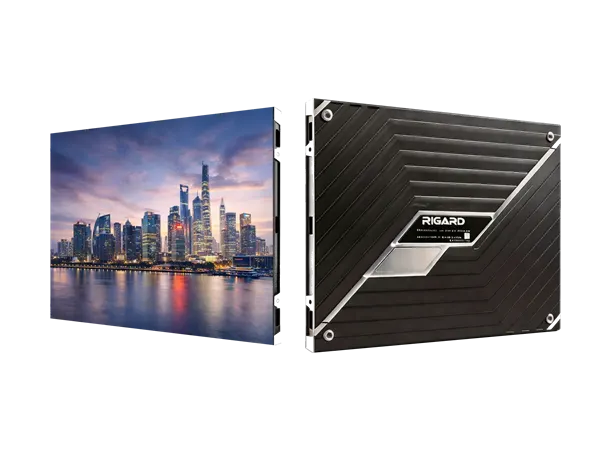
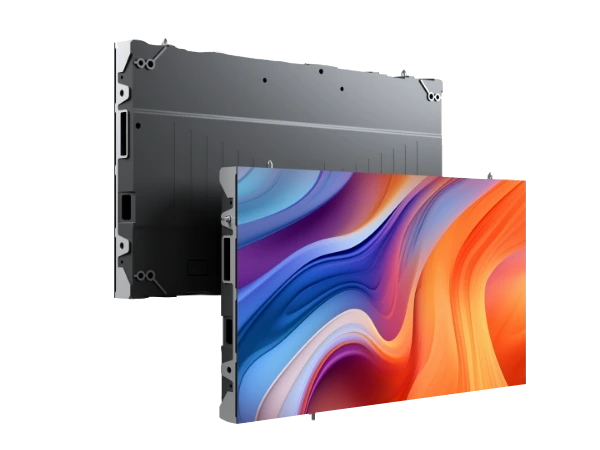
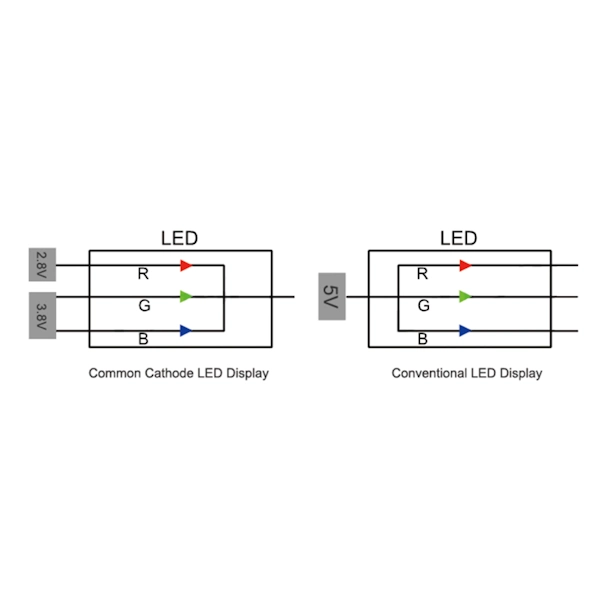
The Rigard flip-chip COB fine-pitch LED display can be configured with common-cathode drive technology, cutting power consumption 30-50% compared with traditional common-anode solutions, while the flip-chip COB process itself can cut power consumption by up to 40% compared with traditional SMD. Overall heat output is significantly reduced, both saving electricity and lowering the venue's air conditioning load, reducing long-term operating costs. Paired with the SN43 series, the die-cast aluminum cableless module cabinet offers excellent heat dissipation with a theoretical lifespan of up to 100,000 hours—stable operation can exceed ten years—lowering the probability of component aging and failure and reducing spare parts replacement frequency.
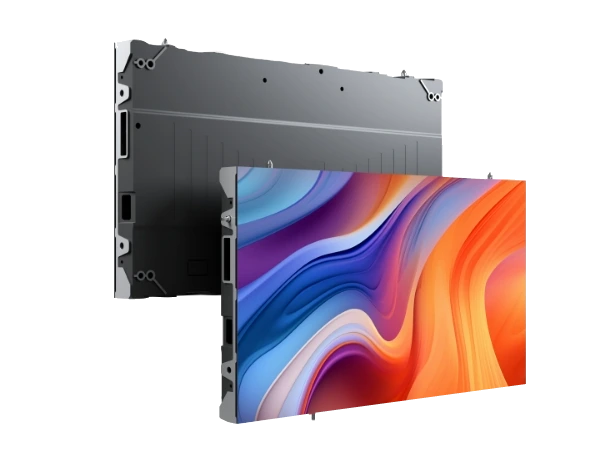
SN169 Series
Indoor Fine Pitch LED Display
- COB Technology
- Flip‑Chip LED
- Fine Pixel Pitch
- High Contrast
- HDR Display
- Front Maintenance
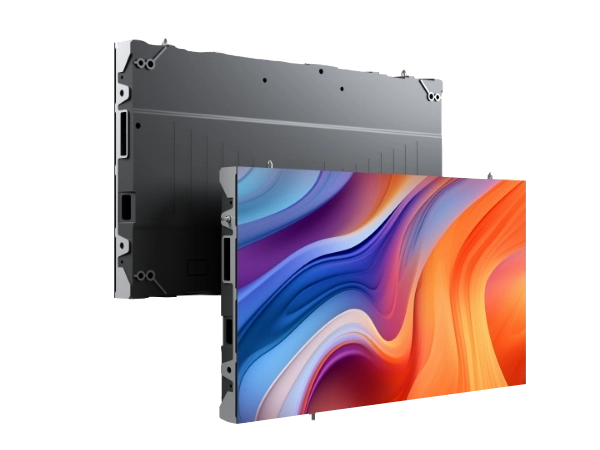
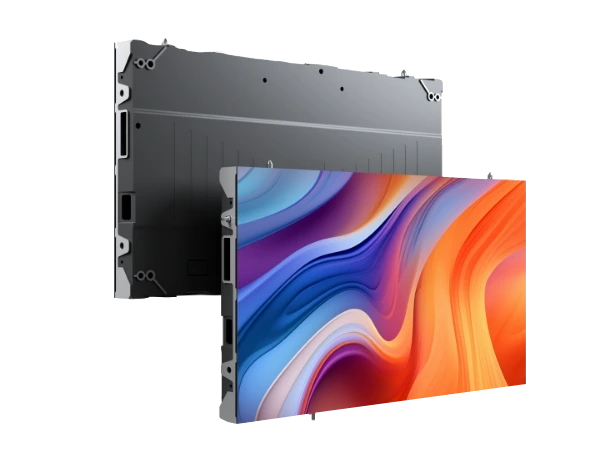
SN43 Series
Indoor LED Video Wall
- Cable‑Free Design
- Ultra‑Slim Cabinet
- Seamless Splicing
- High Contrast
- Front Maintenance
- Efficient Cooling
Maintenance & Downtime Losses: Fully Front-Maintenance Wall Mounting, Front-Side Part Replacement Without Stopping
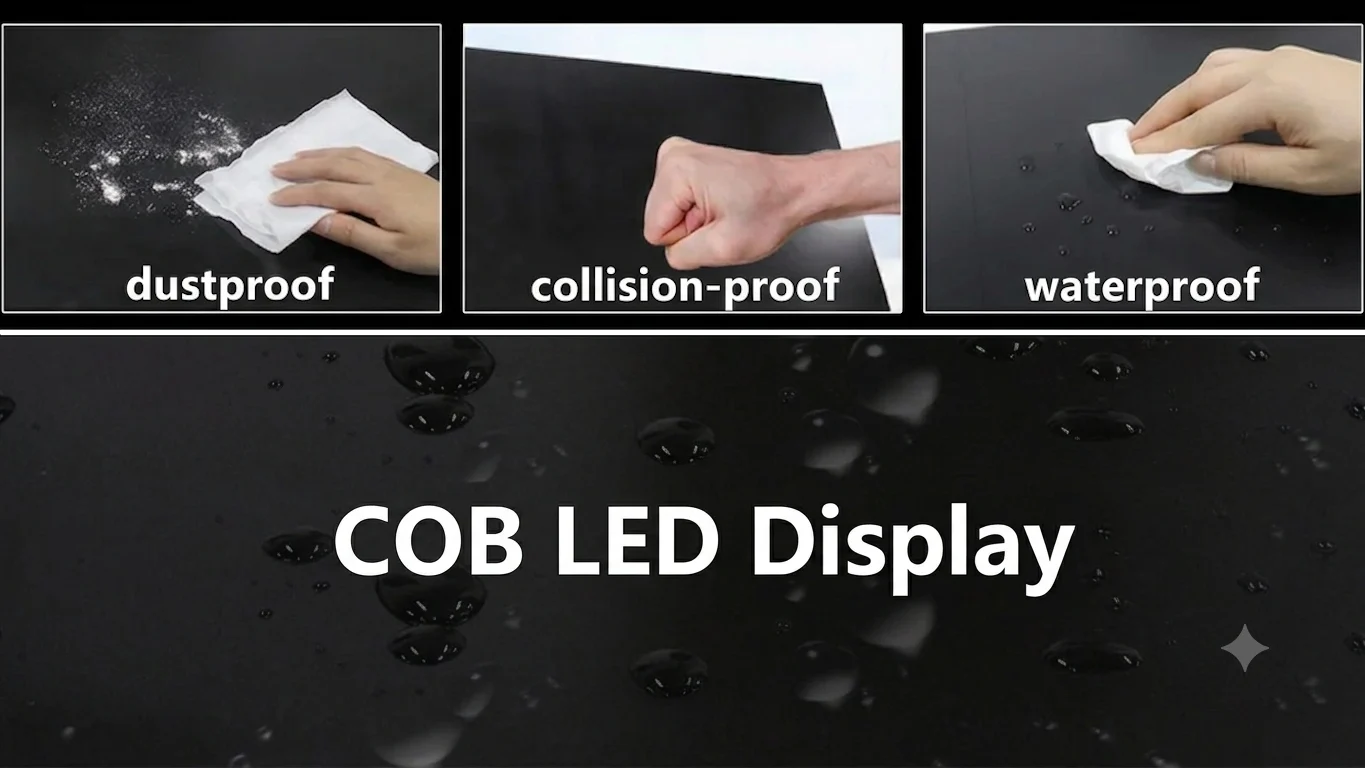
Both products use a fully front-maintenance design, with modules, power supplies, and receiving cards removable from the front via suction cup, requiring no rear service aisle and mounting directly against the wall. On one hand, this reduces steel structure construction materials and lowers upfront installation costs; on the other, faulty parts are quickly replaced from the front without dismantling or moving the screen, greatly cutting on-site maintenance labor while shortening fault downtime and avoiding losses from screen failures during worship. The product achieves 0dB fanless silent operation, has a low dead-lamp rate, and has a dust- and impact-resistant surface that can be cleaned with a damp cloth, further reducing daily maintenance work.
Churches can reference this TCO evaluation framework: take hardware purchase and installation as the base, add estimated 5-10 years of electricity costs, spare parts reserves, and maintenance labor, while deducting downtime risk losses, and comprehensively compare the full-cycle costs of different solutions. Some products are cheaply quoted but have high power consumption, complex maintenance, and fast-wearing parts, and the cumulative overall cost over many years is actually higher. Choosing an energy-saving, long-life, easy-to-maintain display solution is the more cost-effective long-term investment.