How to Choose Transparency for Outdoor Transparent Screens: The Trade-off Between Transparency and Display Clarity
Edit By: RIGARD
Date: Sep 17, 2026
The transparency and image clarity of an outdoor transparent LED screen have a trade-off relationship, and this is the pain point overseas clients most often meet in selection: many clients want the curtain wall to keep excellent daylighting and the building unobstructed, while also pursuing delicate, high-definition advertising images. Maximizing both high transparency and high clarity at the same time is physically very hard to achieve.
Physical Principle: LED Arrangement Determines the Trade-off
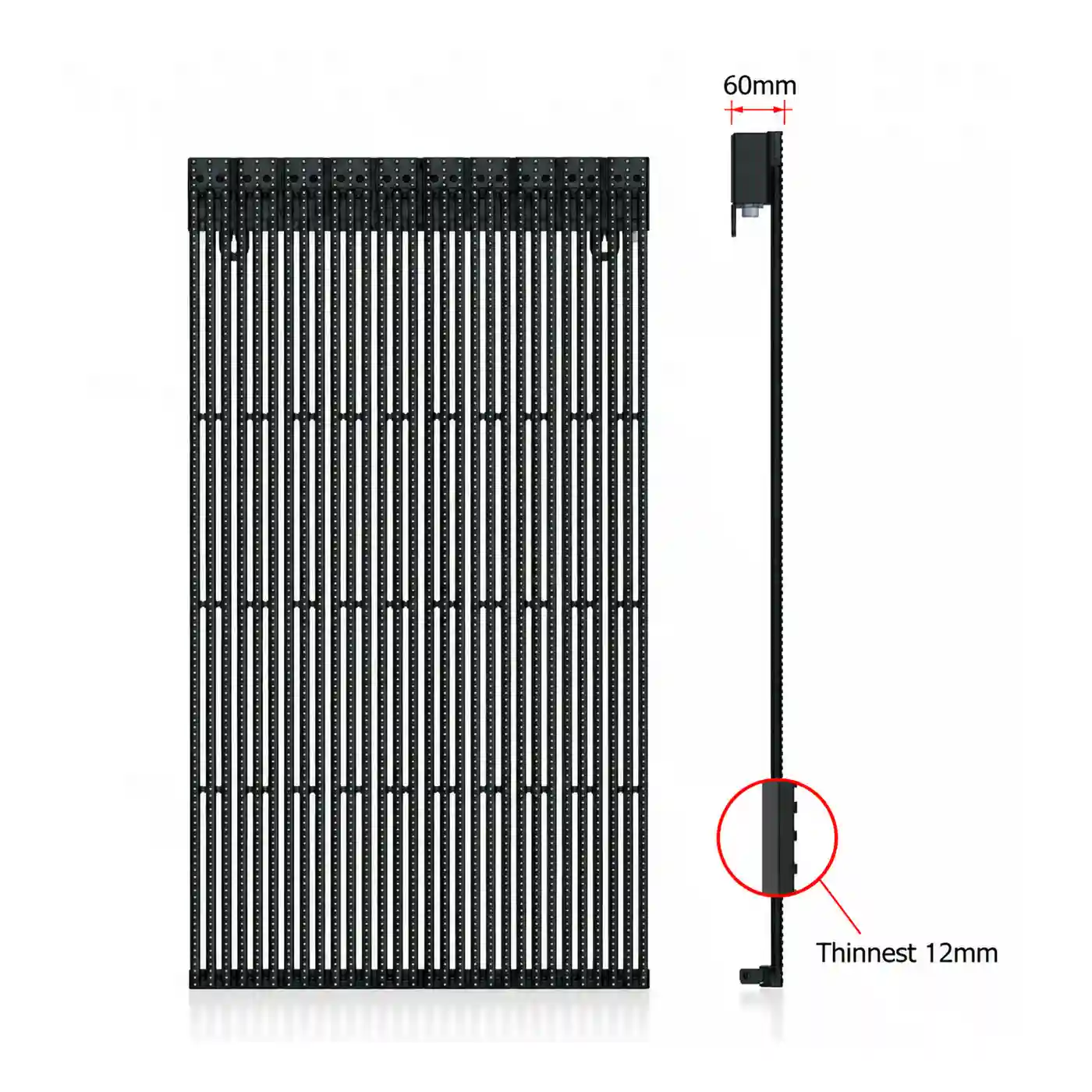
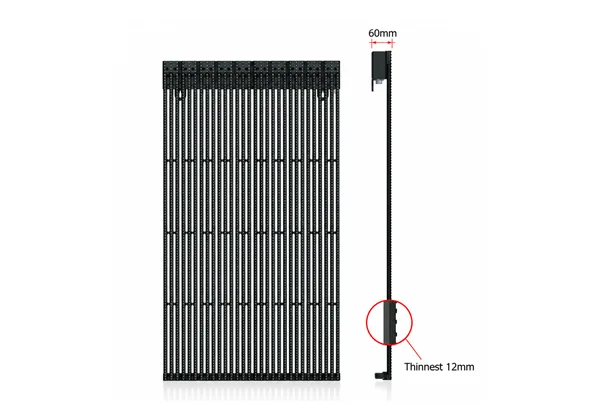
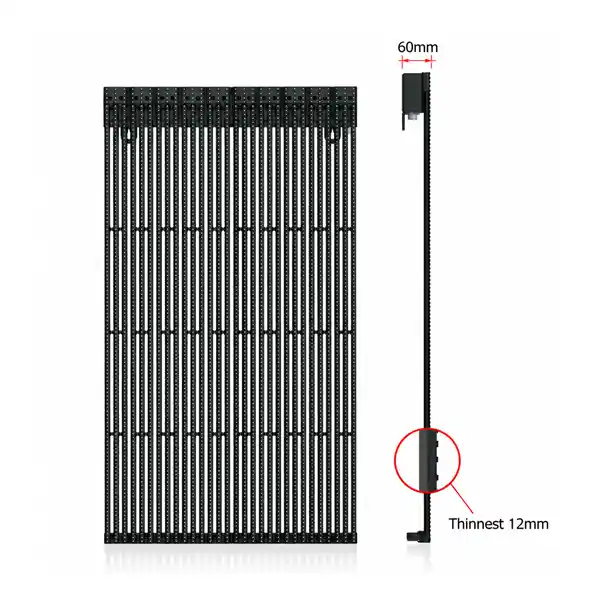
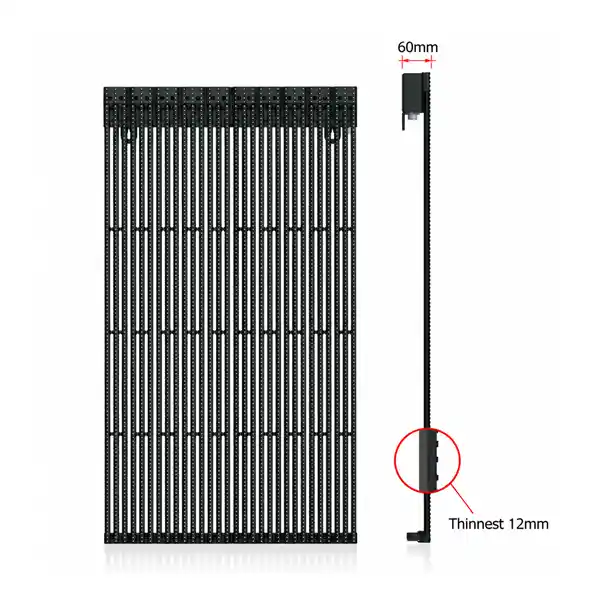
In principle, the transparent screen uses a hollow light-bar architecture: for the same area, to get higher clarity you must arrange more LEDs and reduce the pixel pitch; as the proportion of LEDs and PCB light bars rises, the hollow gaps decrease and transparency falls. Conversely, to pursue higher transparency, the pixel gaps must be enlarged and the pitch widened, reducing the number of pixels per area, so close viewing easily shows graininess and weaker image detail. Viewing distance is the core yardstick for selection; you cannot blindly pursue higher transparency or a smaller pixel pitch alone.
Standard and Custom Pixel Pitches: The TM1000 Balancing Solution
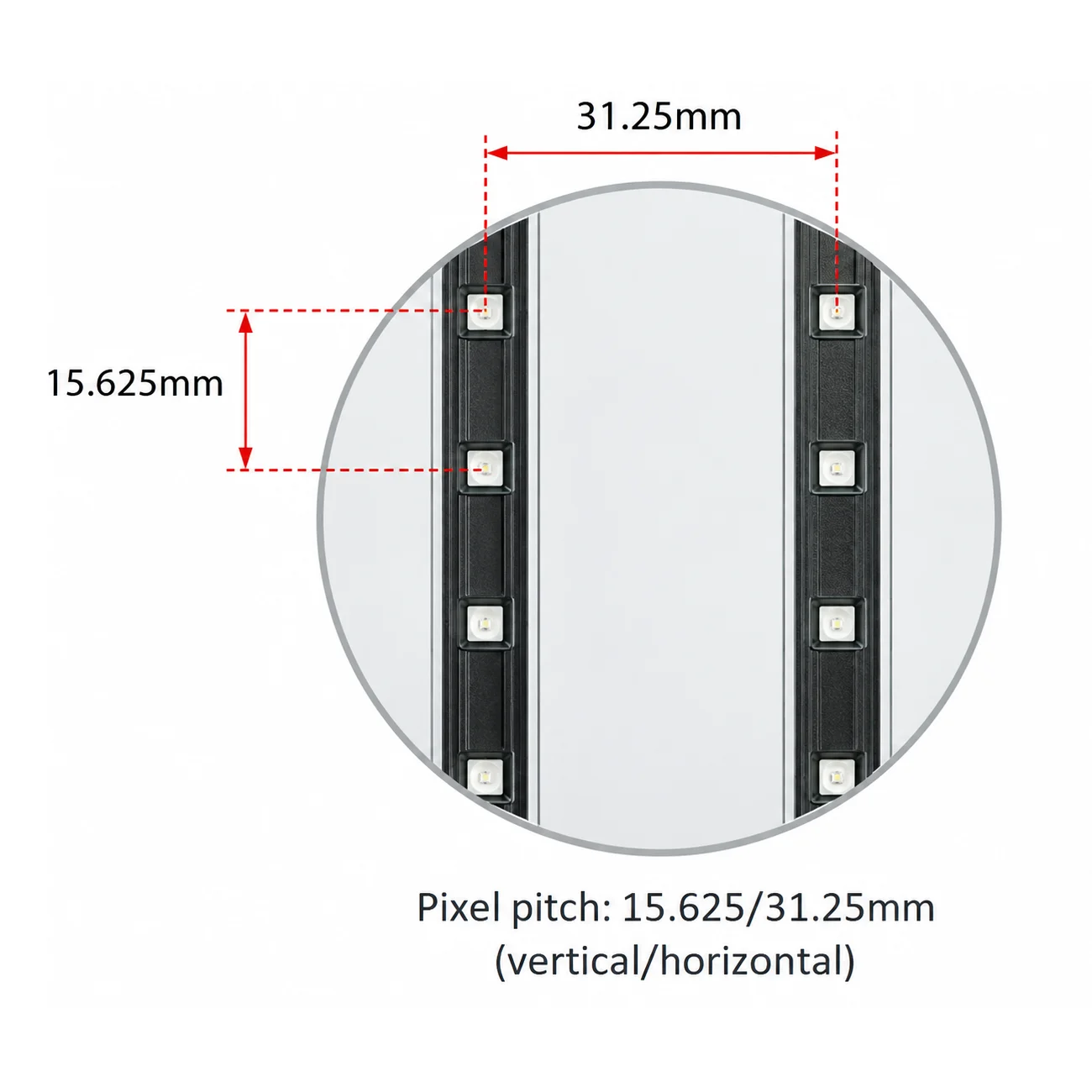
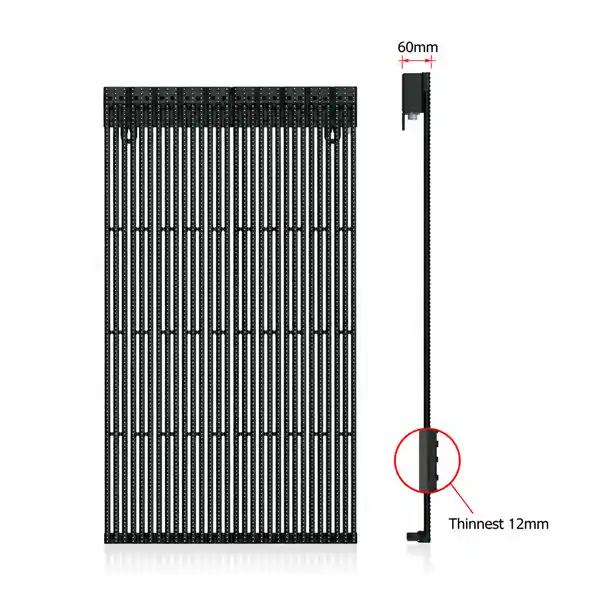
Our TM1000 series outdoor transparent LED screen has a standard pixel pitch of 15.625mm vertical and 31.25mm horizontal, corresponding to a transparency range of 35%-70%, fitting the vast majority of building facade and glass curtain wall long-distance advertising projects. For different overseas projects, custom pixel pitches are supported to balance clarity and transparency.
Choosing Configuration by Viewing Distance and Daylighting Needs
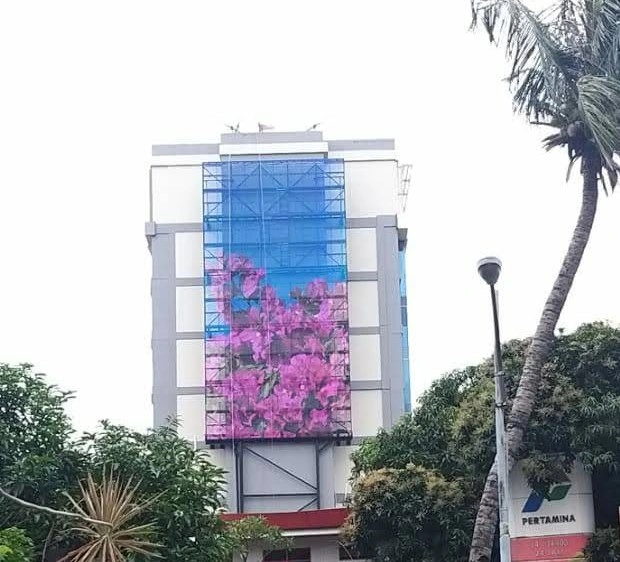
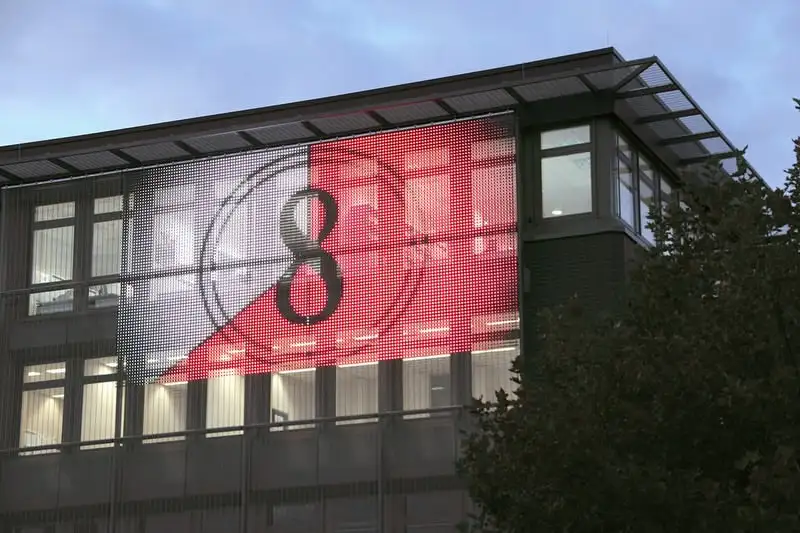
If the project prioritizes building transparency and daylighting—for example, a landmark glass curtain wall with a main viewing distance above 15 meters—a high-transparency configuration can be chosen, widening pixel gaps and prioritizing building appearance and daylighting; at long distance the human eye cannot make out grain, and text and video ads still play normally. For a street-facing mall curtain wall with close-viewing scenarios and high requirements for text and detail images, a denser custom pixel pitch is chosen, sacrificing some transparency in exchange for higher pixel density to ensure close images are clean and clear.
When giving selection advice to overseas clients, you cannot look only at the numbers on the spec sheet; you must comprehensively assess the project's actual viewing distance, curtain wall daylighting needs, and content type. Playing simple slogans and dynamic graphics can use a higher-transparency solution; playing portraits and fine images requires moderately lowering transparency and increasing pixel density. Through flexible pixel-pitch customization, the TM1000 helps clients find the project's optimal balance, avoiding the undesirable results of "transparent but blurry, or clear but fully blocking the glass curtain wall."
TM1000 Series
Outdoor Transparent LED Screen
- High Transparency
- Lightweight Design
- Low Wind Resistance
- Aluminum Structure
- Efficient Heat Dissipation
- Tool‑Free Installation