

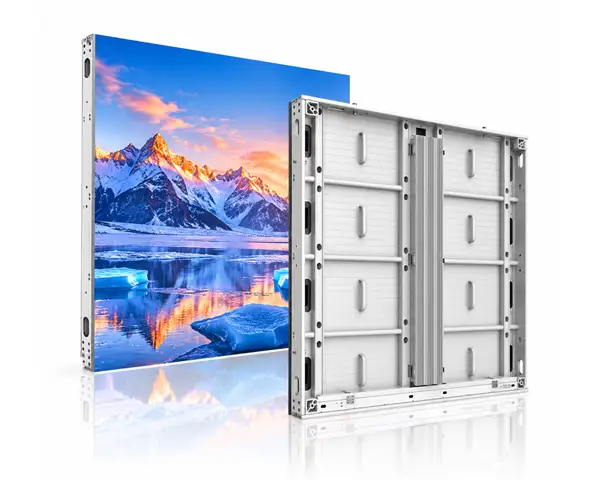
Outdoor LED Displays: 5 Hardware Indicators You Need to Focus On
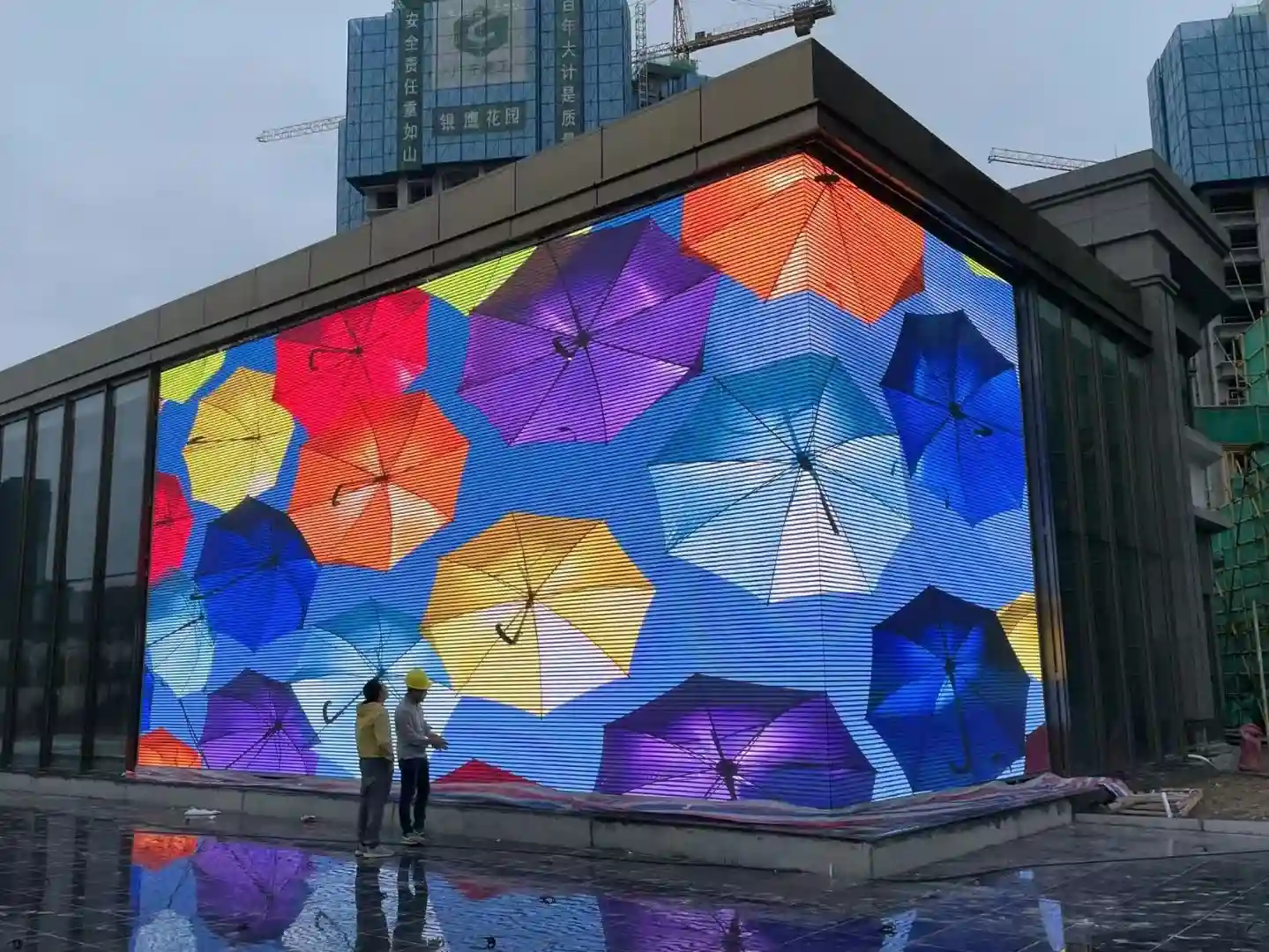
LED Display Technical Insights
RIGARD - LED displays Manufacturer
LED Displays: Brightness Parameters and Scenario Adaptation Logic
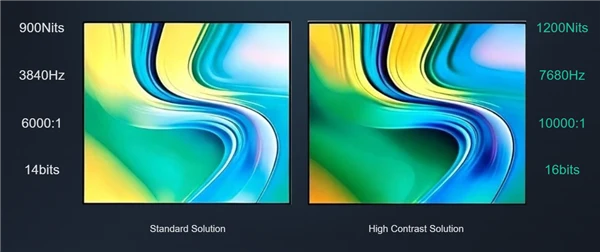
Brightness is one of the most intuitive and core hardware parameters of LED displays, measured in nits (cd/㎡), representing the screen's luminous intensity per unit area. Brightness directly determines image visibility under different lighting environments and is also the core standard for distinguishing indoor, outdoor, and commercial high-end screens. A reasonable brightness configuration both ensures clear, vivid images and avoids light pollution and visual fatigue, and is the key premise for a screen fitting its scenario.
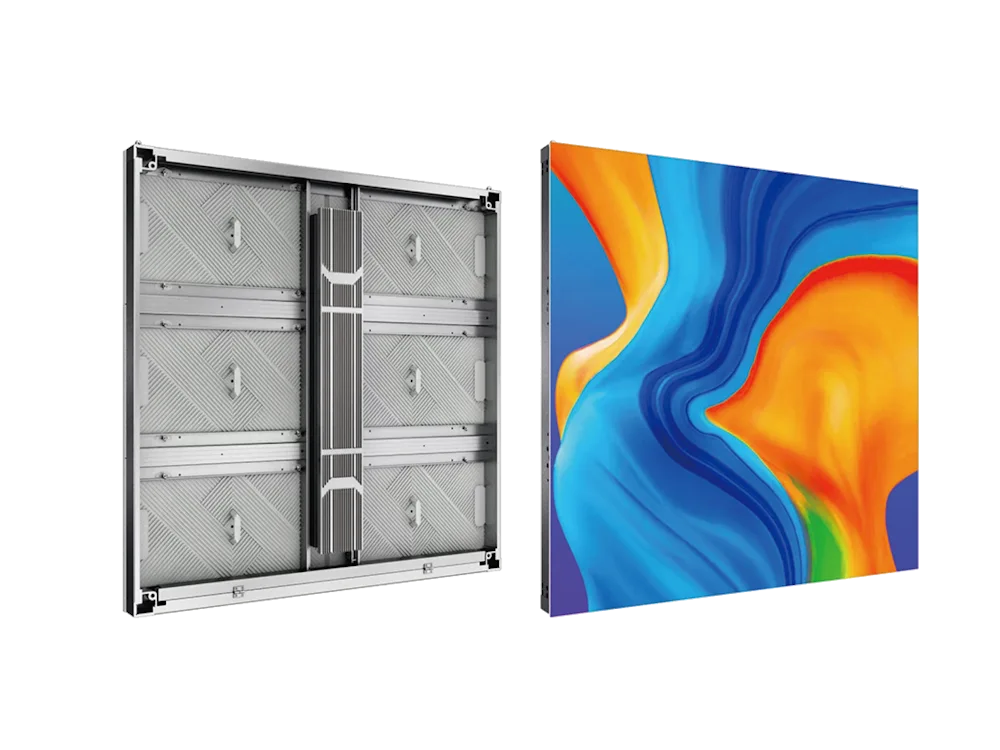
Core Principle: Brightness Matches Ambient Light Intensity
The core principle of LED screen brightness adaptation is matching ambient light intensity. Too low brightness causes washed-out images and dull colors, making content completely unreadable in strong light; while too much brightness redundancy not only wastes energy, but causes glaring images and grayscale distortion, affecting viewing quality and easily producing visual discomfort over long viewing. So different scenarios have corresponding industry standard brightness ranges.
Indoor Brightness Range: 400–1200cd/㎡
Regular indoor display brightness is generally concentrated at 400–1200cd/㎡, suited to low-light, soft-light environments such as meeting rooms, showrooms, studios, and indoor performances. Among them, 800cd/㎡ is the universal golden indoor brightness, with soft, delicate images and precise color reproduction, fitting refined scenarios such as live broadcast and close viewing, balancing appearance and comfort. Low-brightness indoor screens are easily affected by ambient lights, while high-brightness indoor screens easily show bright spots and glare.
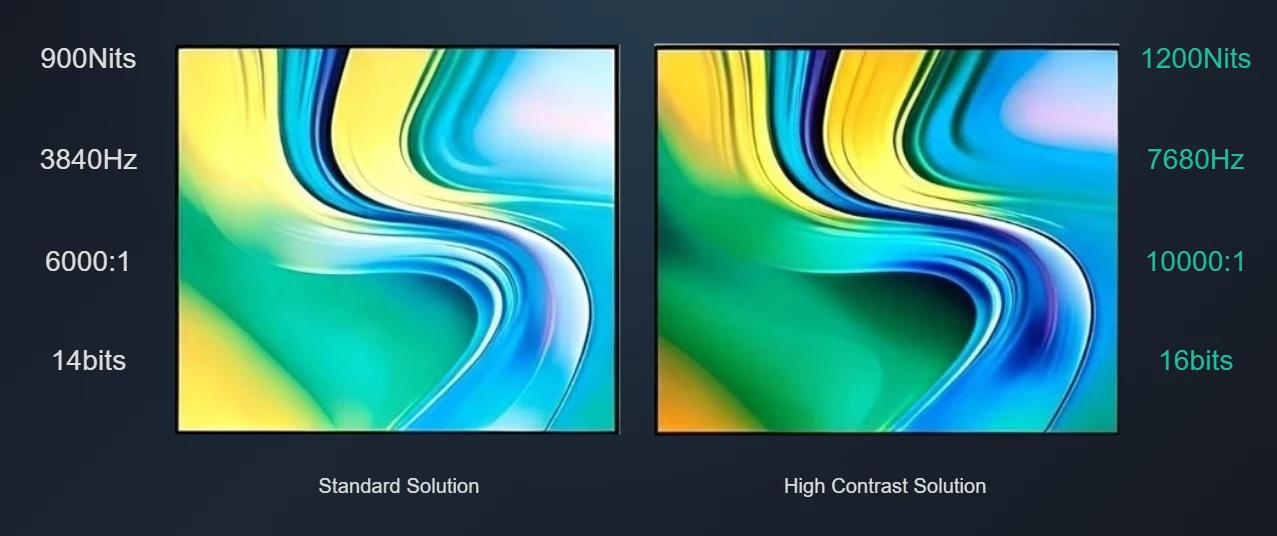
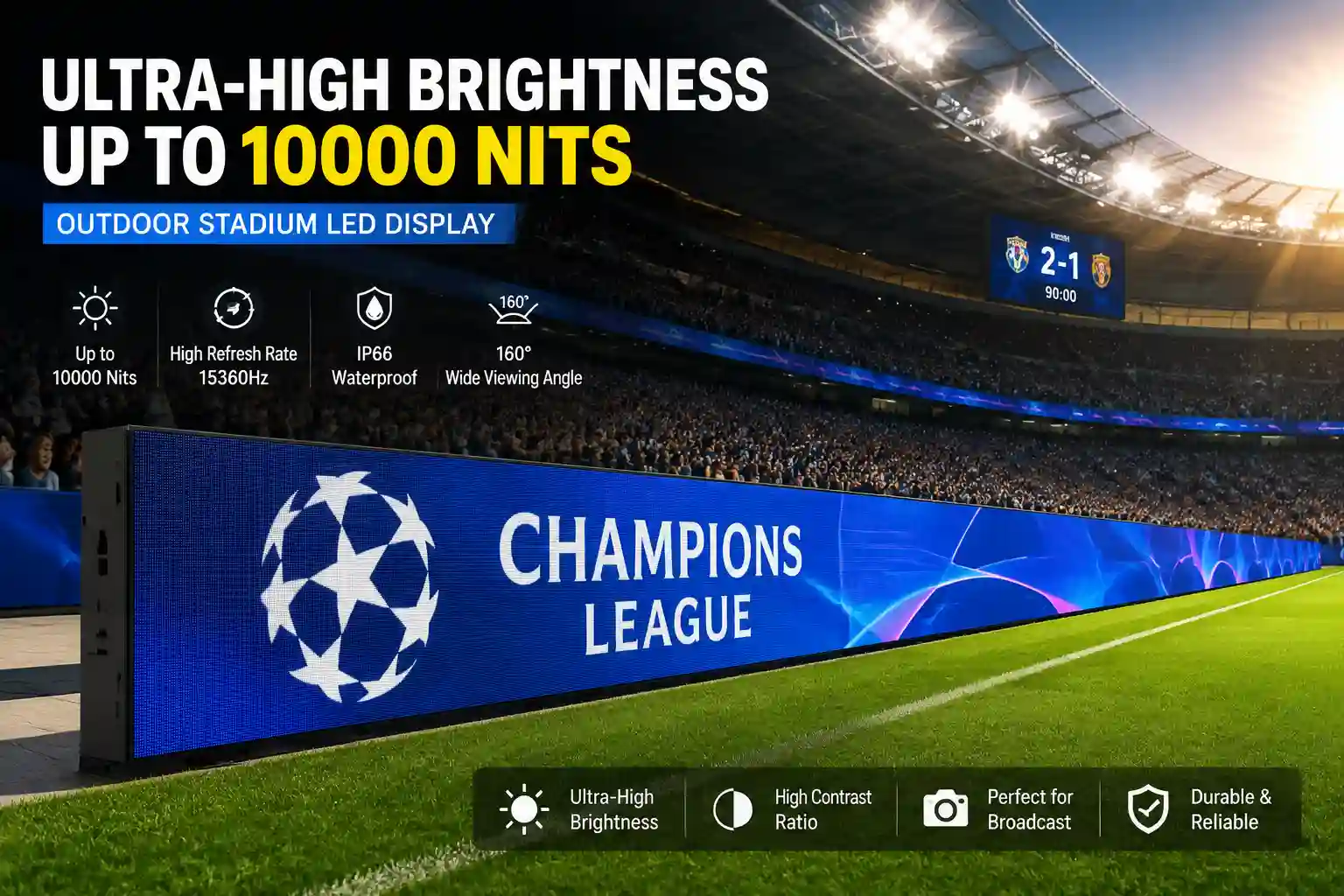
Semi-Outdoor and Outdoor Brightness: 1500–7000cd/㎡
Semi-outdoor and outdoor screens have much higher brightness requirements. Semi-outdoor screens have regular brightness of 1500–2500cd/㎡, resisting daily scattered light and window backlight, fitting scenarios without direct sunlight such as corridors, shop windows, and under eaves. Outdoor screens have a standard brightness of no less than 4500cd/㎡, and high-brightness outdoor screens can reach 5500–7000cd/㎡, able to counter strong midday direct sunlight and ensure clear, visible images around the clock.
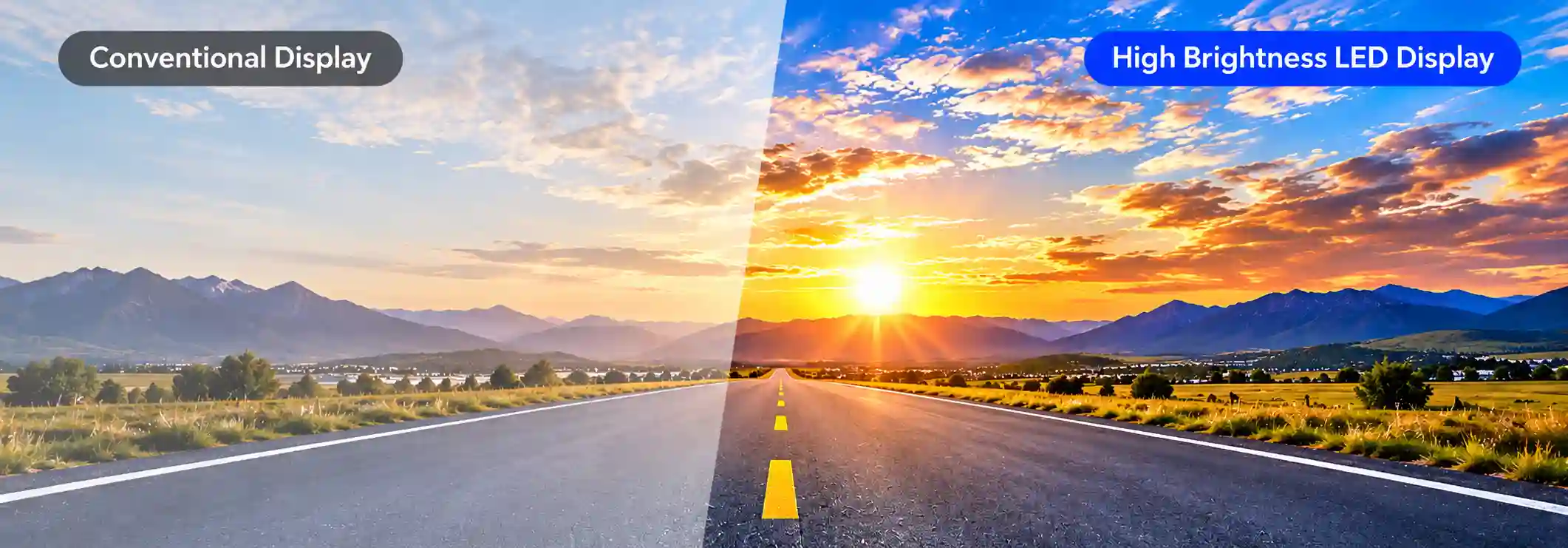
Quality LED displays all carry intelligent brightness adjustment, automatically fine-tuning brightness by ambient light. At the same time, a genuinely high-quality high-brightness screen is not simply raising luminous power, but retains complete grayscale and color layers even in high-brightness states, avoiding the poor display problems of bright but distorted images and image banding.
Thank you. We will contact you shortly.
- LED screen manufacturer direct from factory
- Over 10 years of LED screen production experience
- In-house SMT production line
- 10 years of LED screen foreign trade experience
- Complete certifications: FCC, CE, RoHS