Outdoor LED Displays: 5 Hardware Indicators You Need to Focus On
Edit By: RIGARD
Date: Sep 19, 2026
When building a large-scale outdoor advertising network, hardware selection directly determines the project's long-term stability, operations cost, and operational benefit. Facing the complex and variable outdoor environment and decentralized point management needs, the following 5 core hardware indicators are the dimensions that must be heavily weighed in project selection. Combined with the design features of Rigard's SW series products, you can clearly see how quality hardware continuously empowers the advertising network.
Protection Rating: The Baseline Defense for Stable Outdoor Operation
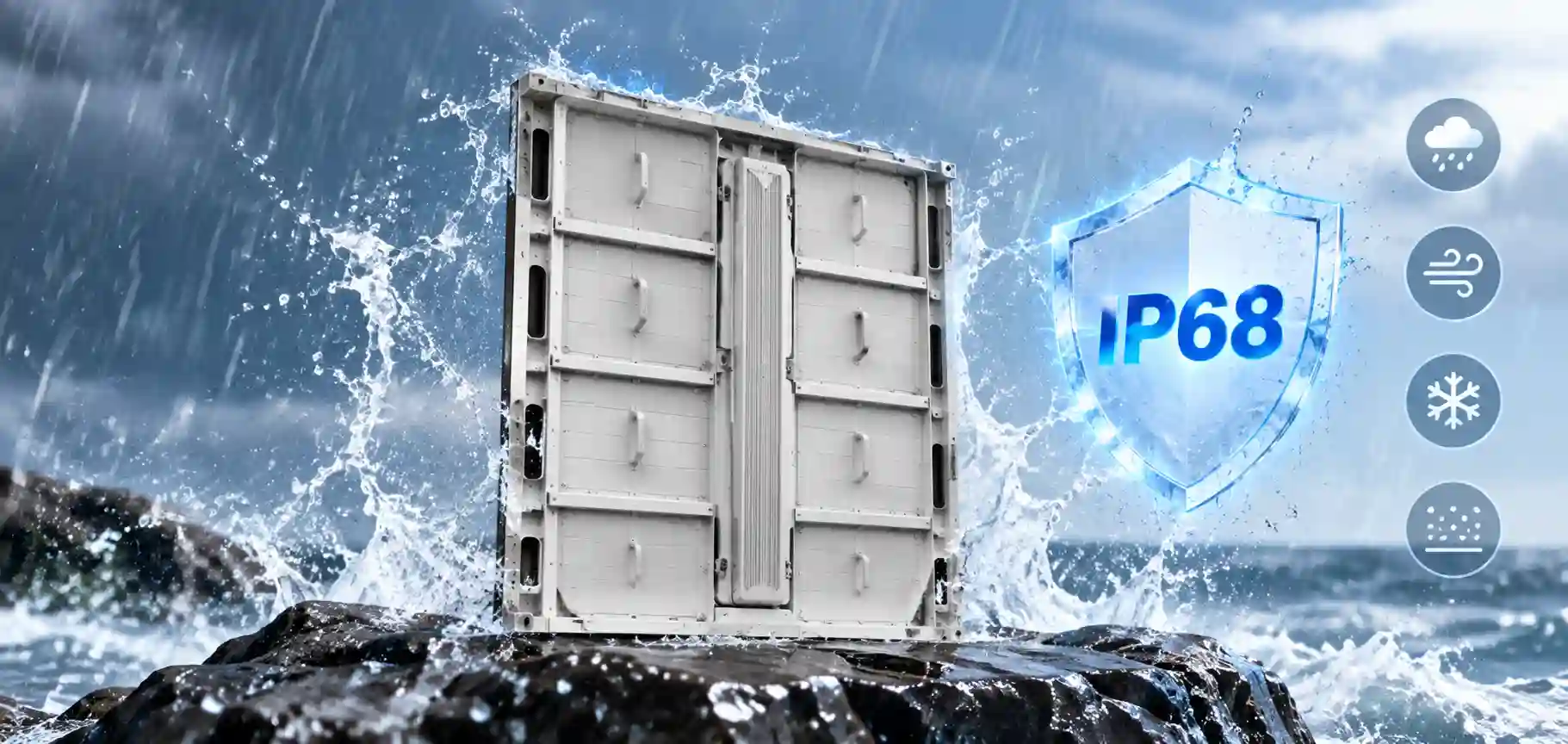
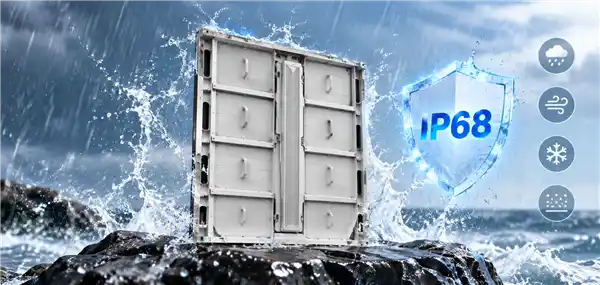
Outdoor scenarios face multiple environmental tests year-round, such as rain, sand and dust, salt spray, and alternating high and low temperatures. An insufficient protection rating directly leads to higher equipment failure rates and shorter life, greatly increasing operations costs. The SW1000 and SW960 series are both built to high-level protection standards, with whole machines using corrosion-resistant aluminum bodies that can adapt to complex climates such as sun exposure, heavy rain, and strong wind. Among them, the SW1000 reaches the high-level IP68 waterproof and dustproof standard, sealing and protecting internal electronic components and resisting heavy rain washing, dust attack, high humidity, and strong wind; the SW960 also has excellent waterproof, dustproof, and anti-corrosion ability, and both products support permanent outdoor installation, providing reliable environmental tolerance assurance for decentralized points.
Heat Dissipation Solution: Passive Heat Dissipation Better Fits Long-Term Outdoor Deployment
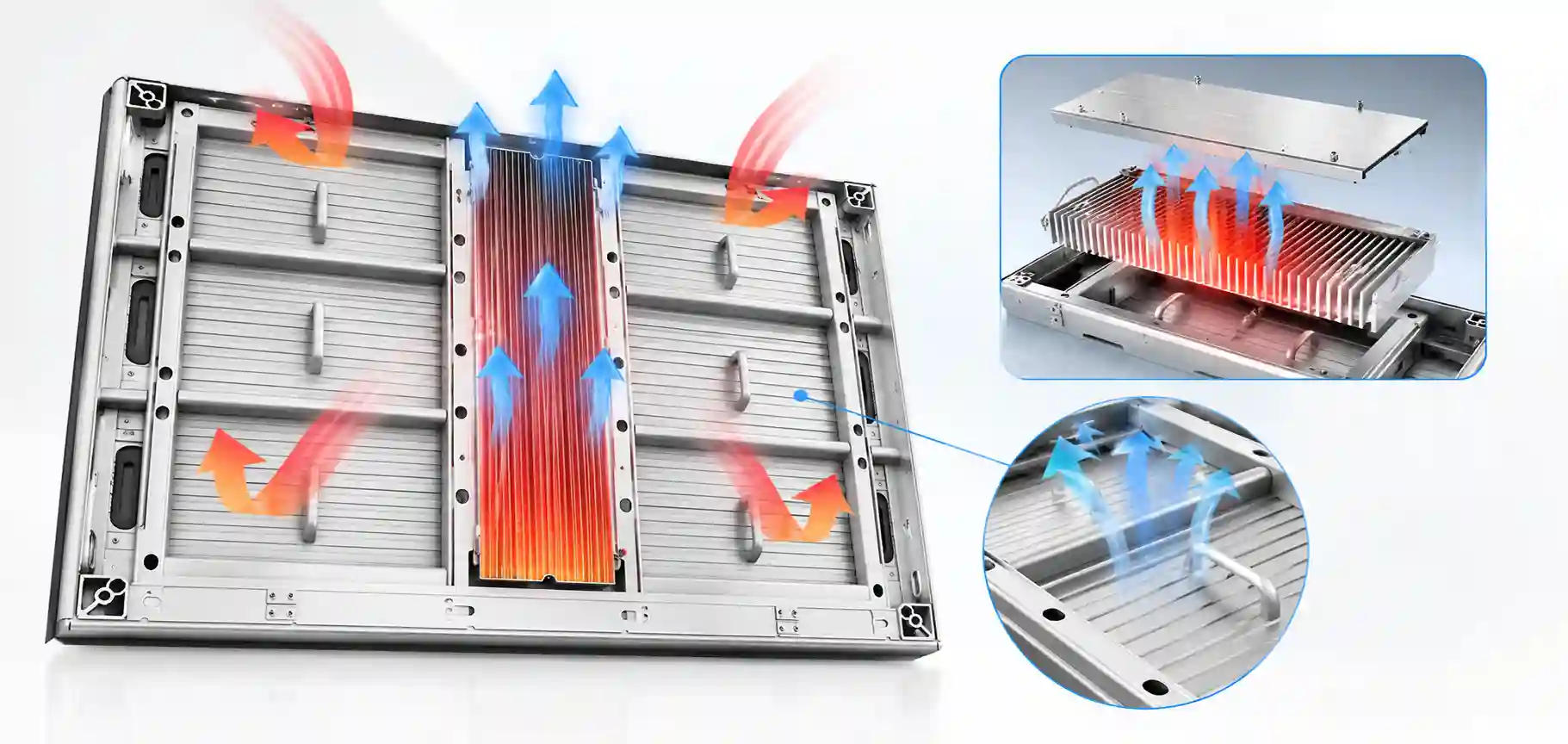
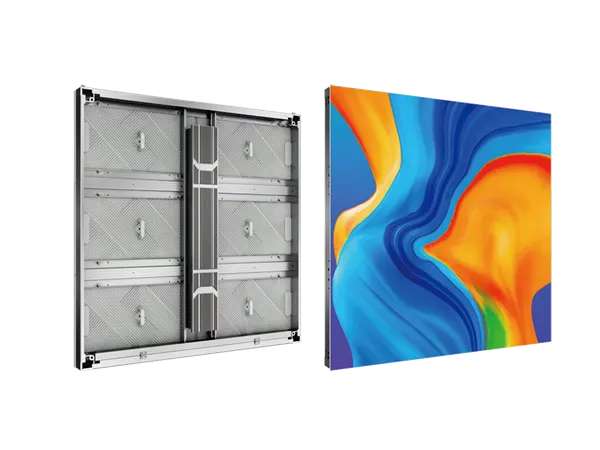
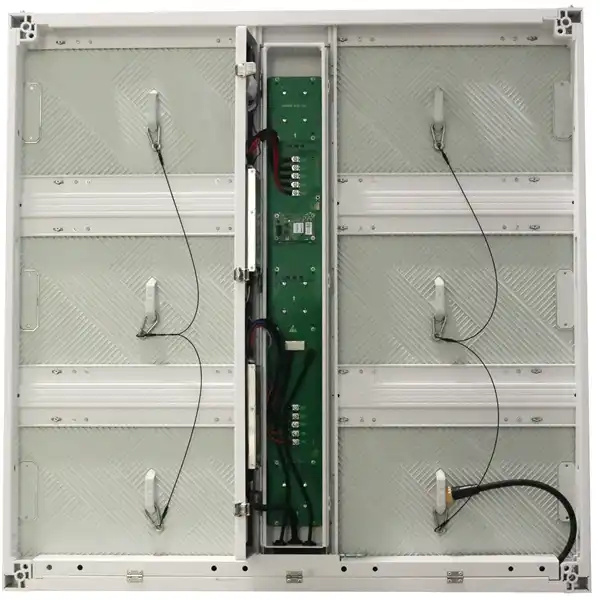
Heat dissipation design directly affects the equipment's light decay speed, whole-machine life, and failure rate. Fan heat dissipation relies on mechanical fans to actively exhaust air, but the fan itself is a wearing part and also drives dust and water vapor into the equipment, with high failure risk in harsh outdoor environments; passive heat dissipation relies on structural heat conduction for natural cooling, with no mechanical moving parts and higher reliability. The SW960 and SW1000 both use fanless passive heat dissipation solutions, relying on all-aluminum module cabinets and large-area heat dissipation structures for natural heat conduction, which both blocks dust, water vapor, and debris from entering and produces no operating noise, while slowing light decay, extending life, and lowering full-life-cycle maintenance costs.
Maintenance Mode: Dual Maintenance Design Fits Diverse Installation Scenarios
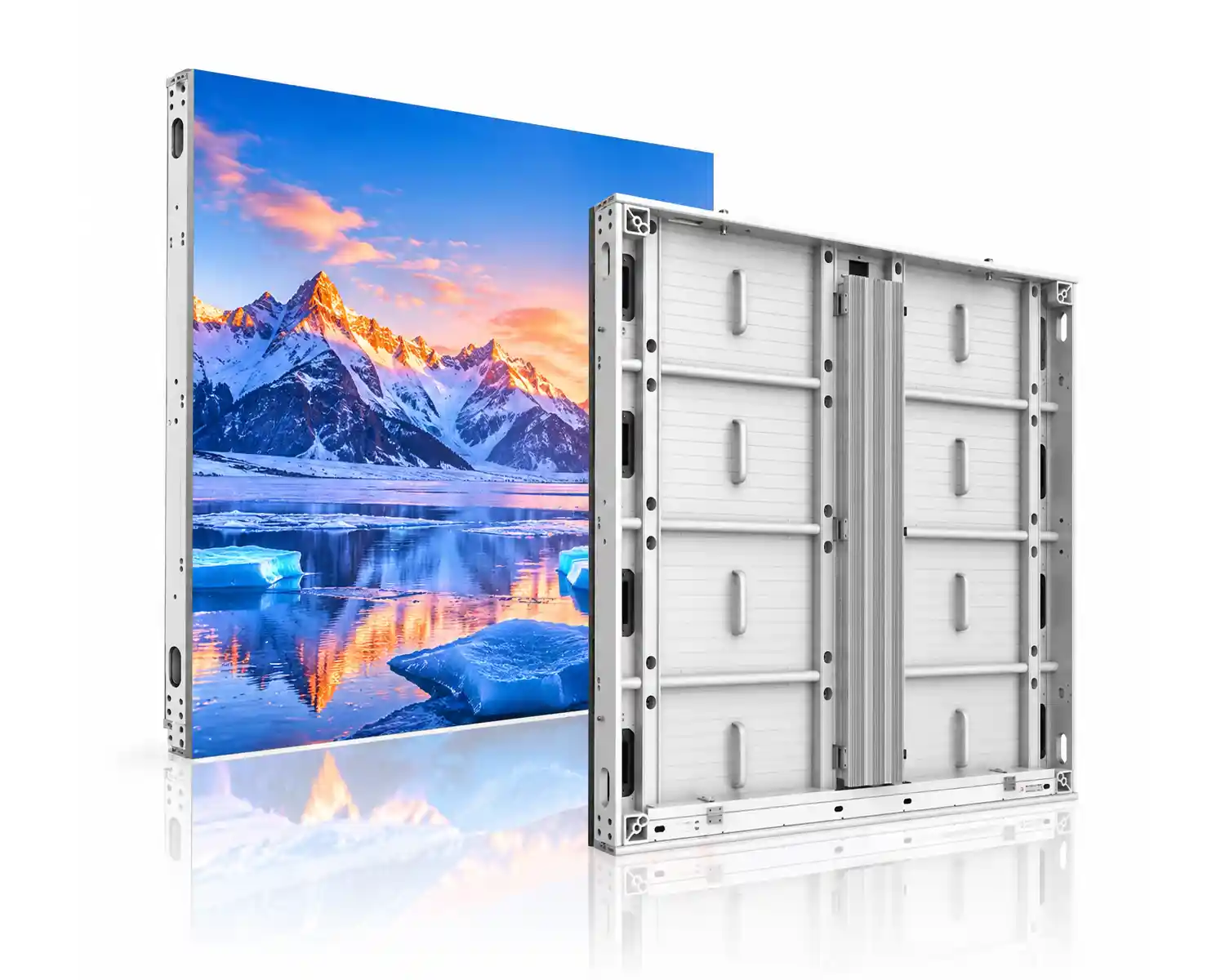
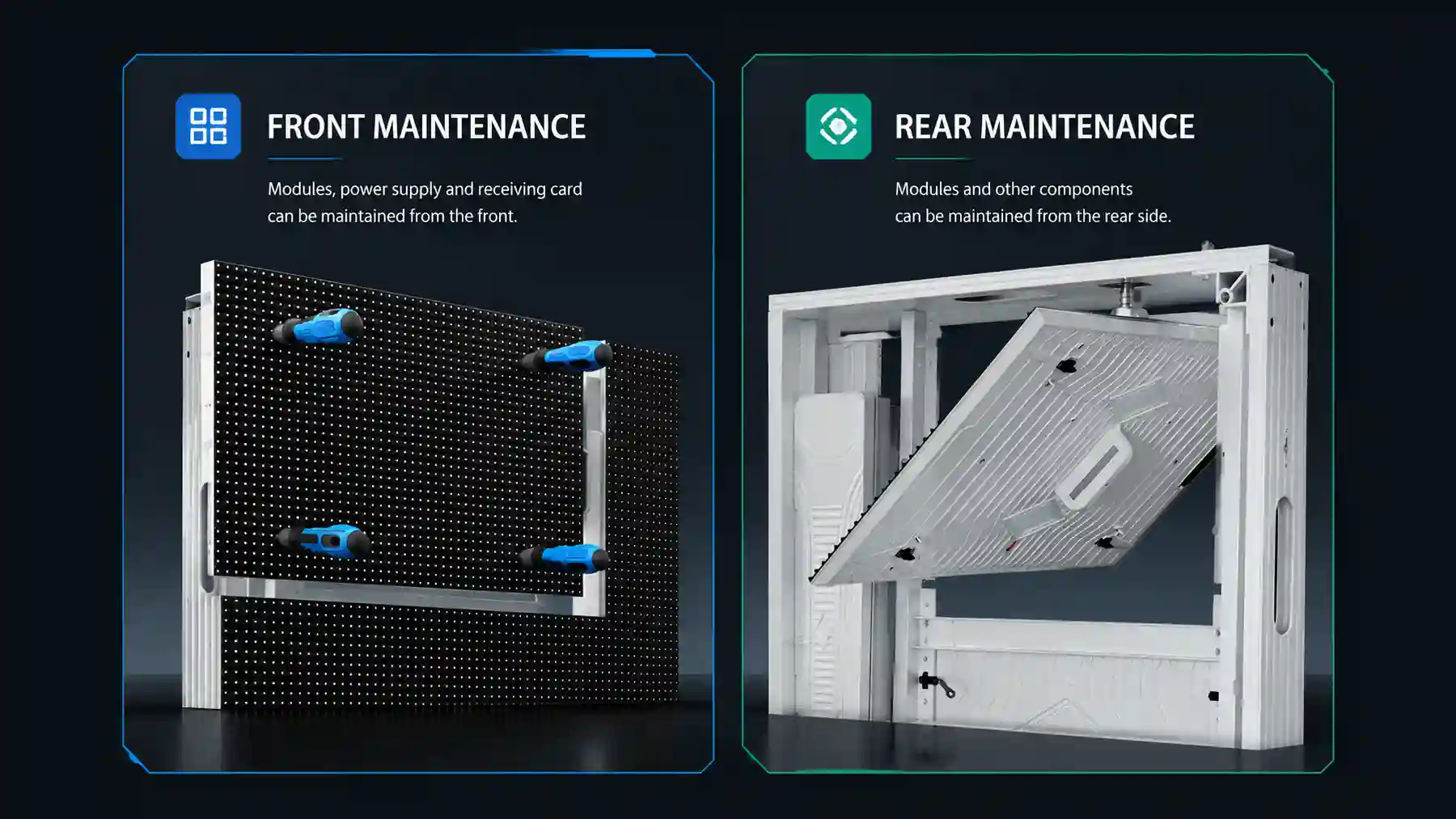
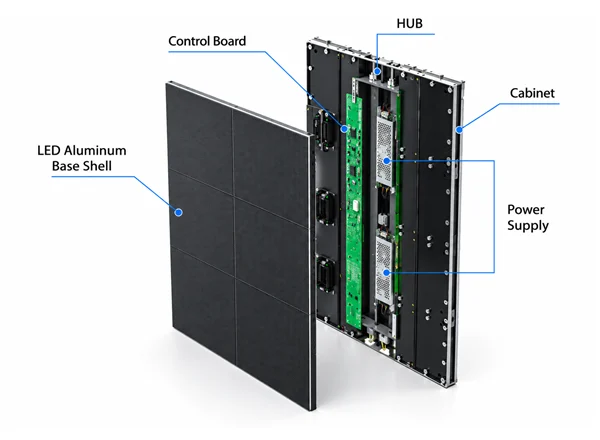
Outdoor advertising points include both wall-mounted building facades and shopfronts, as well as column billboards and rooftop large screens, and a single maintenance mode can hardly fit all scenarios. The SW1000 and SW960 both support front and rear dual maintenance: in front maintenance mode, modules, power supplies, and receiving cards can all be serviced from the front, with no rear space reserved, fitting wall-mounted points; rear maintenance supports servicing from the back, fitting scenarios such as columns and rooftops with operating space behind, greatly lowering the multi-point maintenance threshold.
Drive Solution: Common-Cathode Drive Achieves Cost Reduction and Efficiency
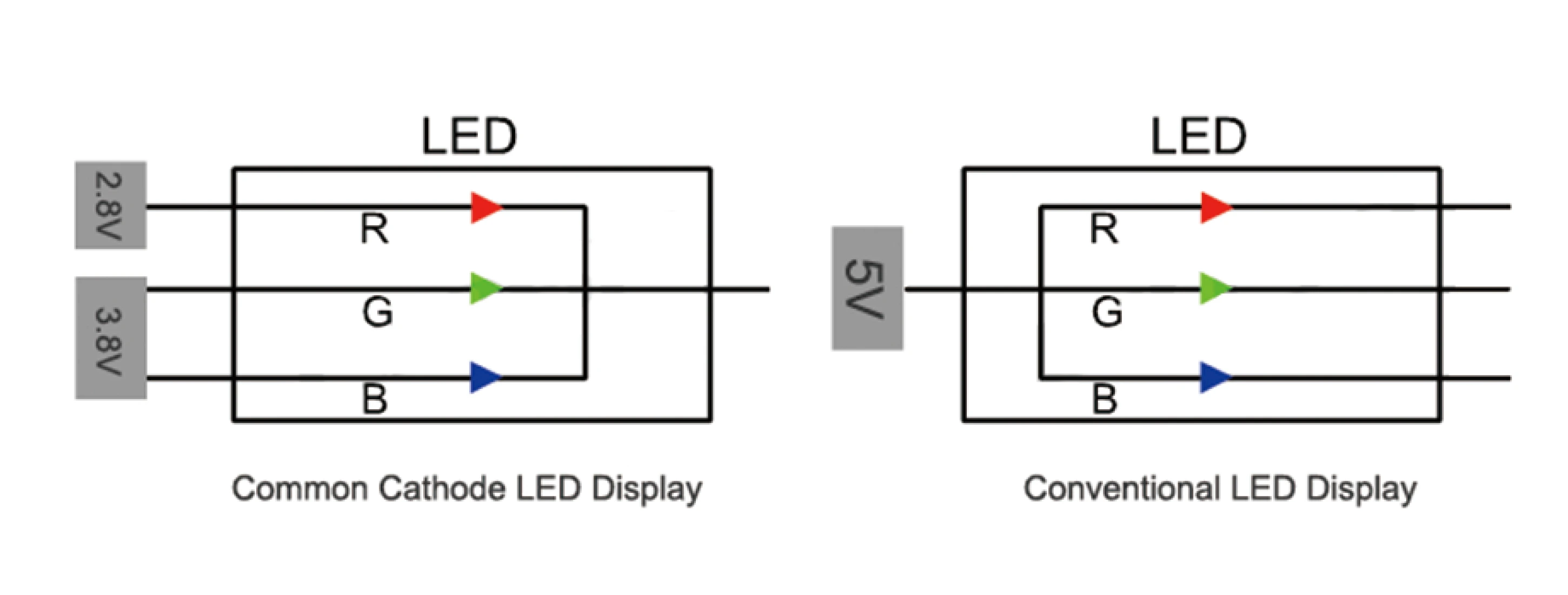
Traditional common-anode drive has low power supply precision, high power consumption, and high heat generation, easily producing local hotspots and accelerating aging. Common-cathode drive achieves better energy and heat control through independent precise power supply for RGB chips. The SW1000 and SW960 can be equipped with common-cathode drive technology, cutting power consumption 30%–50% compared with the common-anode solution, which both reduces carbon emissions and supporting air conditioning load and avoids local hotspots, significantly saving long-term operations electricity and lowering full-life-cycle cost for a large-scale advertising network.
Remote Control Capability: The Operations Core of the Multi-Point Network
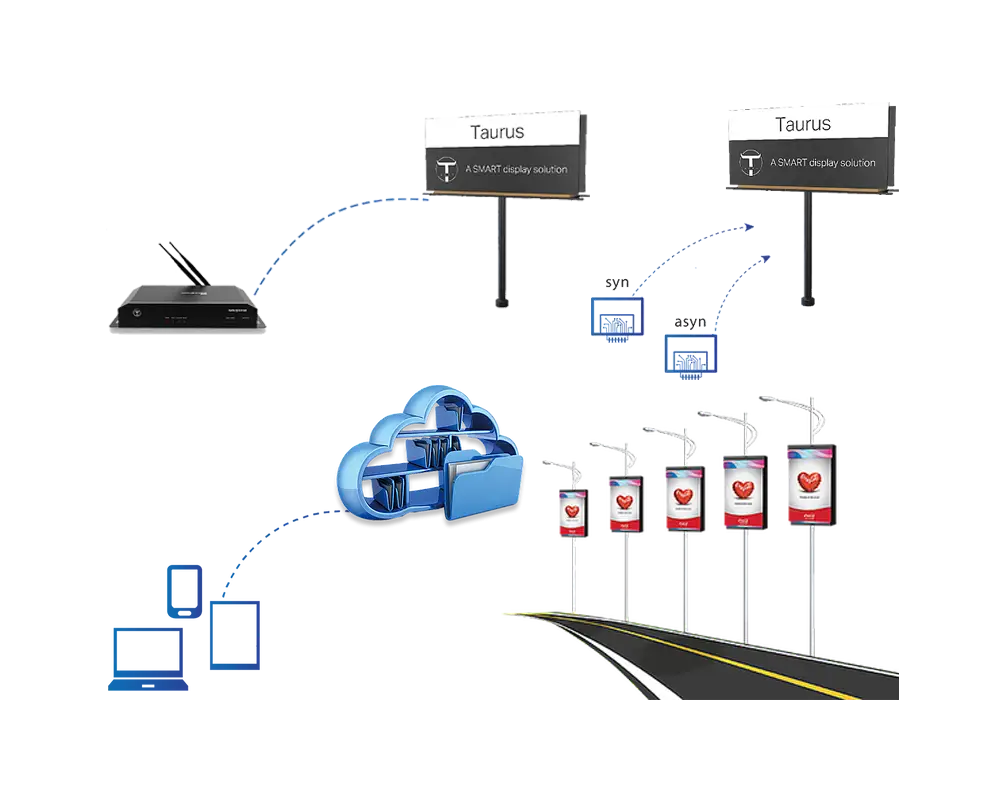
Outdoor advertising networks usually cover multiple dispersed points, and traditional on-site content updates and equipment inspections are inefficient and costly. The SW960 and SW1000 both carry a cloud wireless intelligent management system, supporting remote content upload, playback scheduling, and equipment status monitoring via phone and computer; wireless transmission reduces on-site wiring, synchronous and asynchronous dual playback modes fit diverse business needs, and multiple devices support centralized management, completing full-network operations without on-site attendance and greatly improving operations efficiency.
Protection rating, heat dissipation solution, maintenance mode, drive solution, and remote control capability are the five core dimensions for measuring the hardware quality of an outdoor advertising network. The Rigard SW1000 and SW960 are optimized specifically around these five indicators, combining high reliability, low operations cost, and efficient operations capability, and can fully fit the construction and upgrade needs of outdoor advertising networks of all scales.
SW1000 Series
Outdoor Advertising LED Screen
- IP68 Protection
- 3D Corner Display
- Cable‑Free Design
- Fanless Cooling
- Front & Rear Maintenance
- Outdoor Advertising
SW960 Series
Outdoor Advertising LED Display
- IP66 Waterproof
- Common Cathode
- Energy Saving
- Fanless Cooling
- Front & Rear Maintenance
- High Brightness