Outdoor LED Displays: Advantages of Die-Cast Aluminum Cabinets
Edit By: RIGARD
Date: Oct 5, 2026
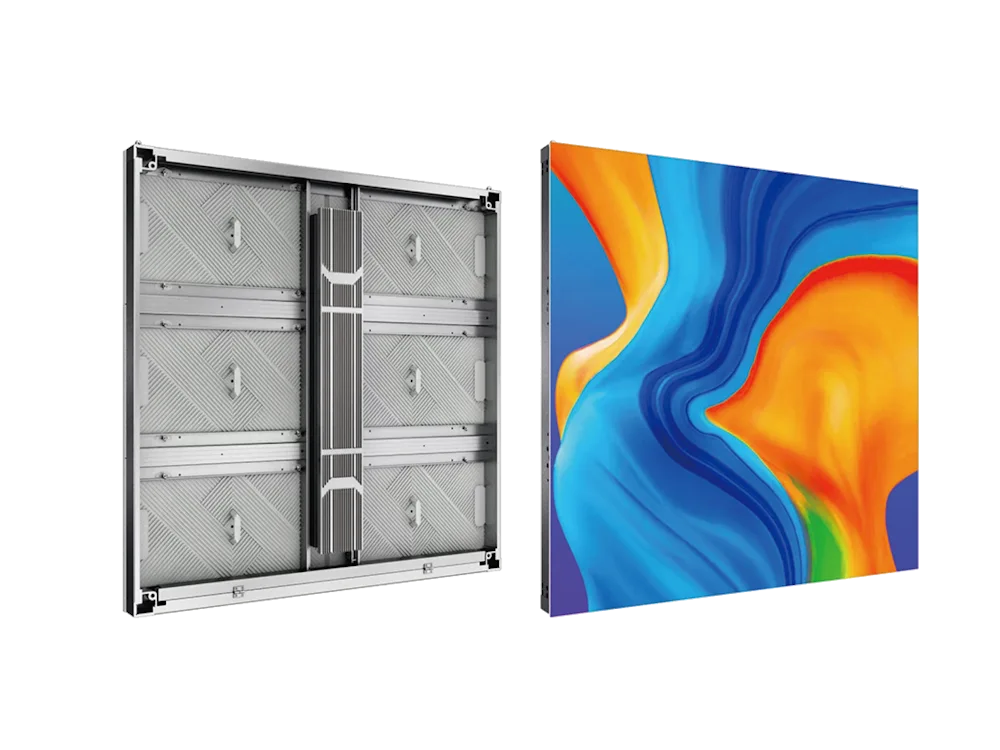
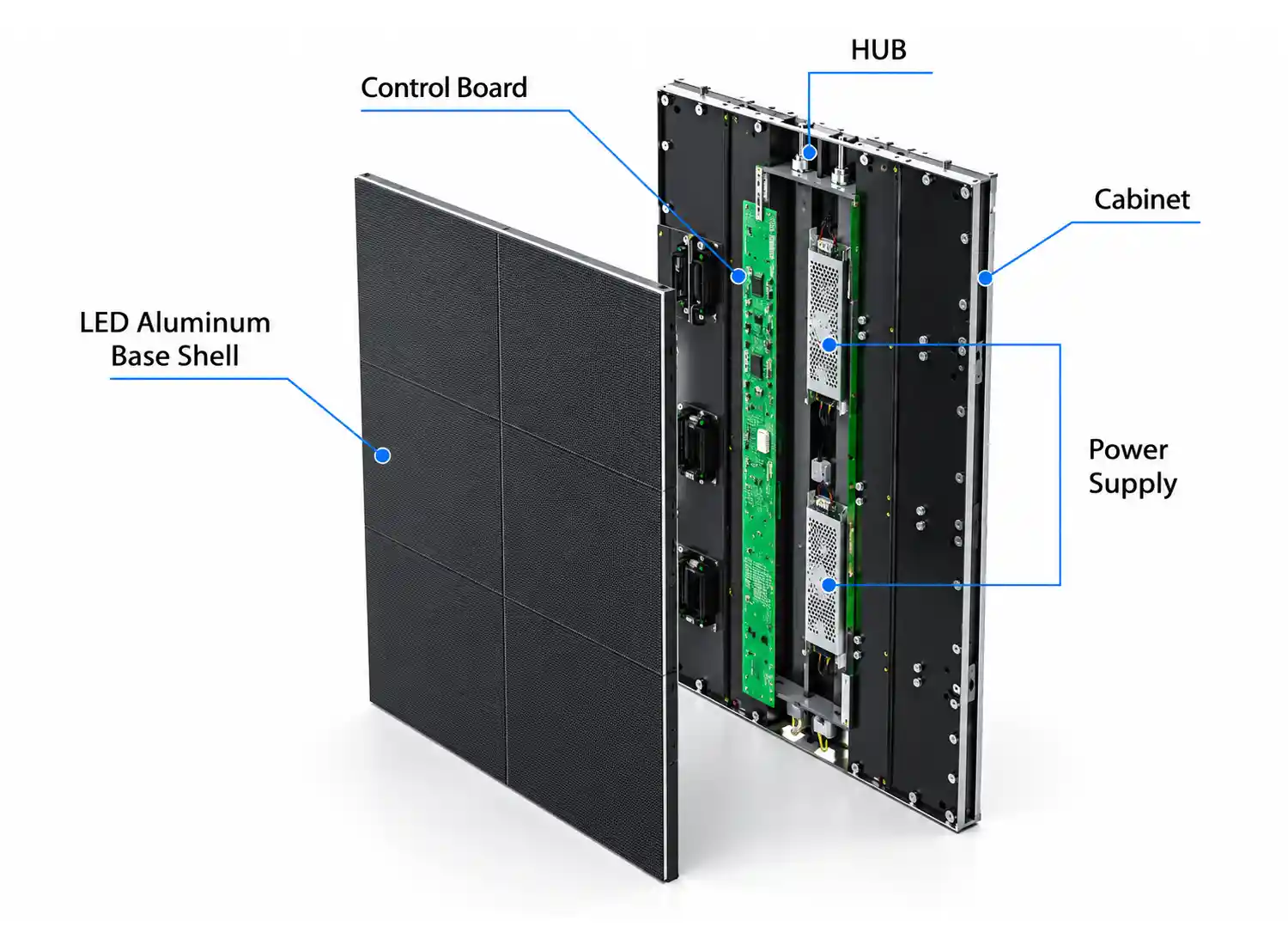
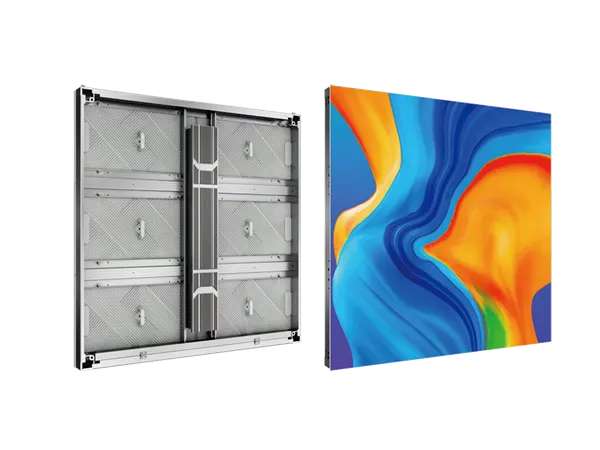
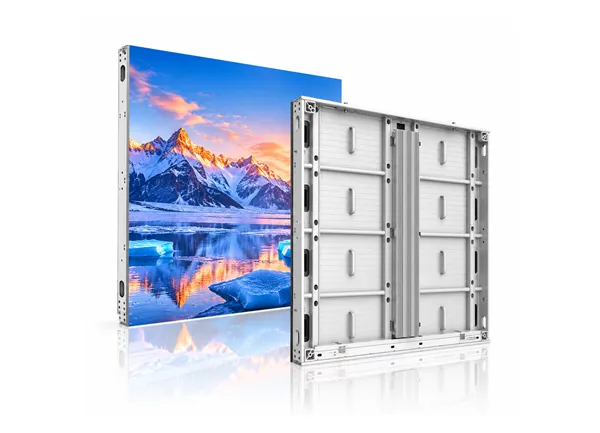
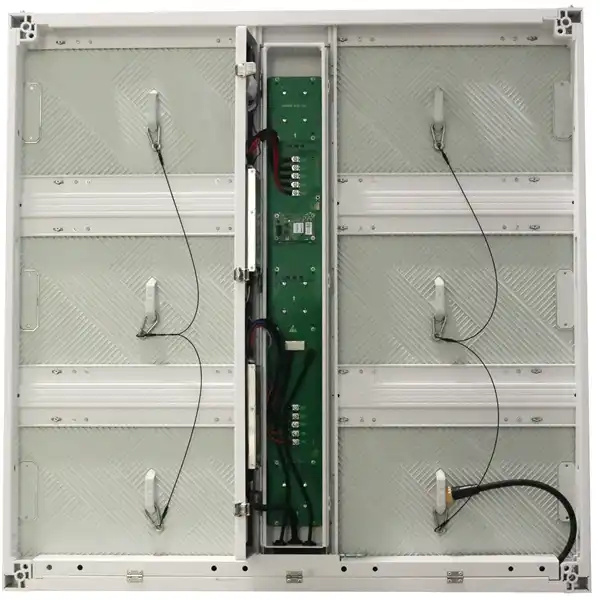
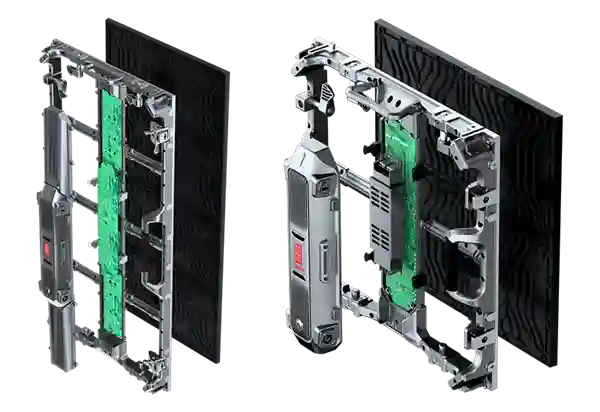
In the hardware composition of LED display equipment, the cabinet is the base skeleton carrying core devices such as modules, power supplies, and receiving cards, and cabinet material directly determines the screen's weight, heat dissipation capability, environmental tolerance, and whole-machine service life. Die-cast aluminum alloy is the current mainstream cabinet manufacturing material for outdoor LED large screens, and the SW960, SW1000, and SWHD series outdoor LED displays all use die-cast aluminum as the core cabinet material.
Die-cast aluminum is an aluminum alloy material formed by the die-casting process, injecting molten aluminum alloy into a mold under high pressure for one-piece molding, able to make a cabinet frame with precise structure and one-piece forming, which, unlike traditional sheet-metal iron cabinets and plastic cabinets, has inherent material and process advantages.
Core Advantages of Die-Cast Aluminum Cabinets
Excellent Heat Conduction and Dissipation, Delaying Light Decay
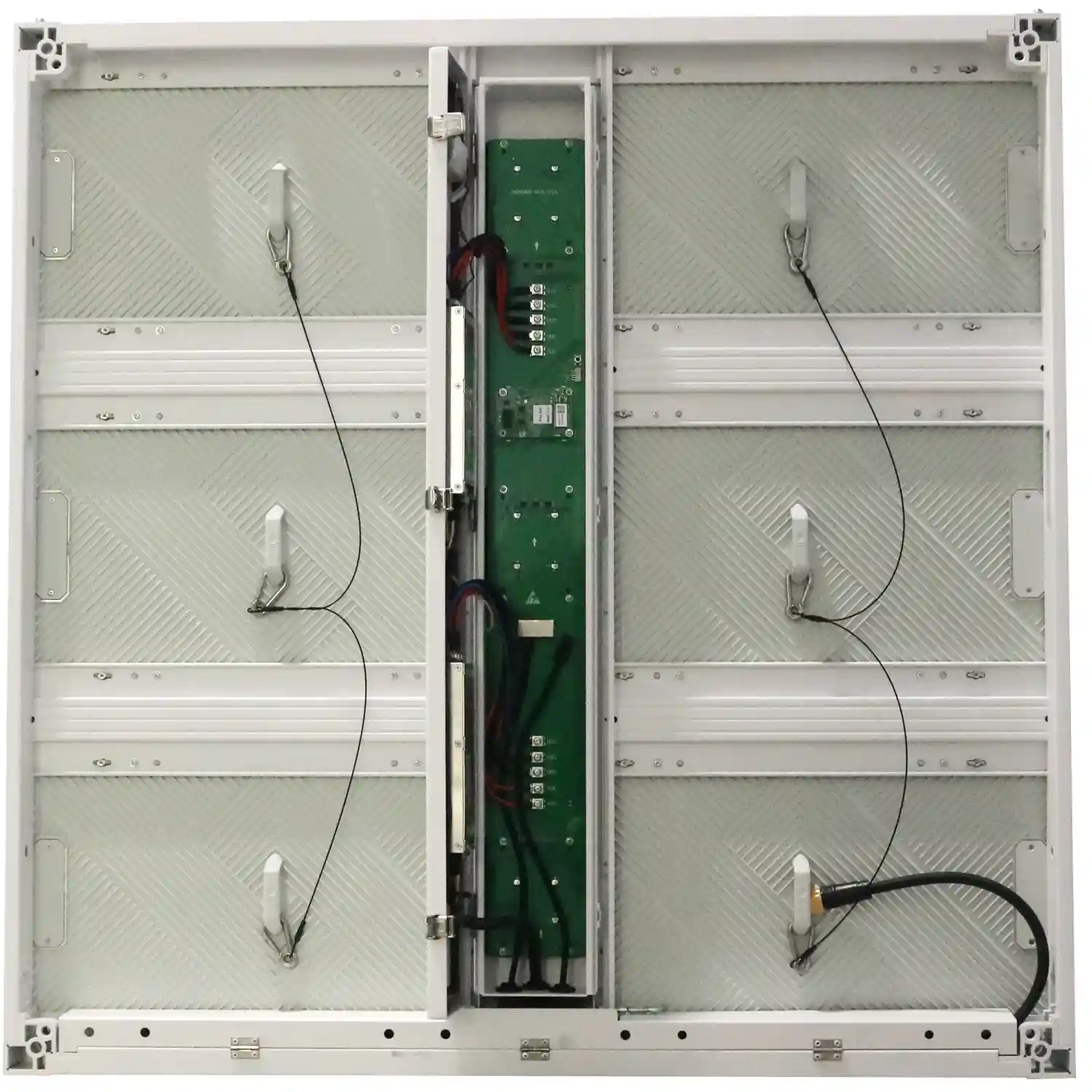
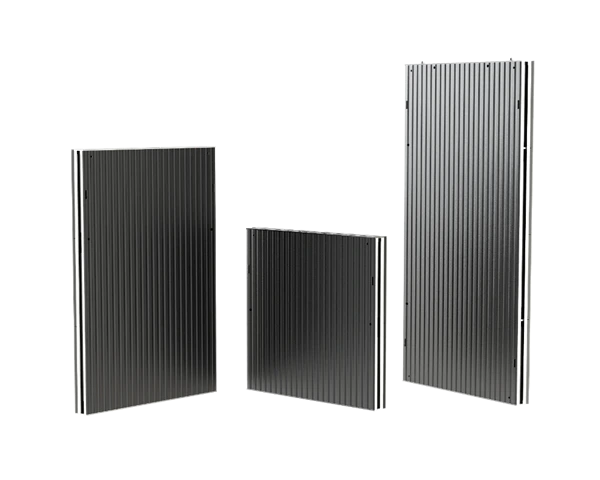
Aluminum alloy has an excellent thermal conductivity coefficient, and paired with fanless passive heat dissipation, it can quickly conduct and spread the heat generated by modules and power supplies to the outside air, with no reliance on wearing mechanical parts; heat is dissipated evenly, avoiding local hotspots, lowering the light decay brought by long-term high-temperature device operation, keeping color and brightness stable long term, and also reducing supporting air conditioning load.
High Structural Strength, Deformation and UV Resistance
The one-piece die-cast aluminum cabinet discards plastic parts and will not become brittle and crack like plastic cabinets after long sun exposure. Facing outdoor sun exposure, temperature changes, and strong wind impact, the cabinet does not easily twist and deform, ensuring module splicing gaps stay stable and that failures such as image misalignment and bright lines do not appear from frame deformation.
Corrosion Resistance, Fitting Complex Outdoor Climates
Outdoor scenarios continuously face erosion by rain, dust, salt spray, and high humidity, and die-cast aluminum cabinets have good anti-corrosion ability; with high-standard sealing protection and the whole-machine IP65/IP68 protection system, water vapor and dust do not easily erode internal components, and commercial buildings, business districts, transport hubs, and city landmarks can all run stably around the clock.
Lightweight, Lowering Steel Structure Load
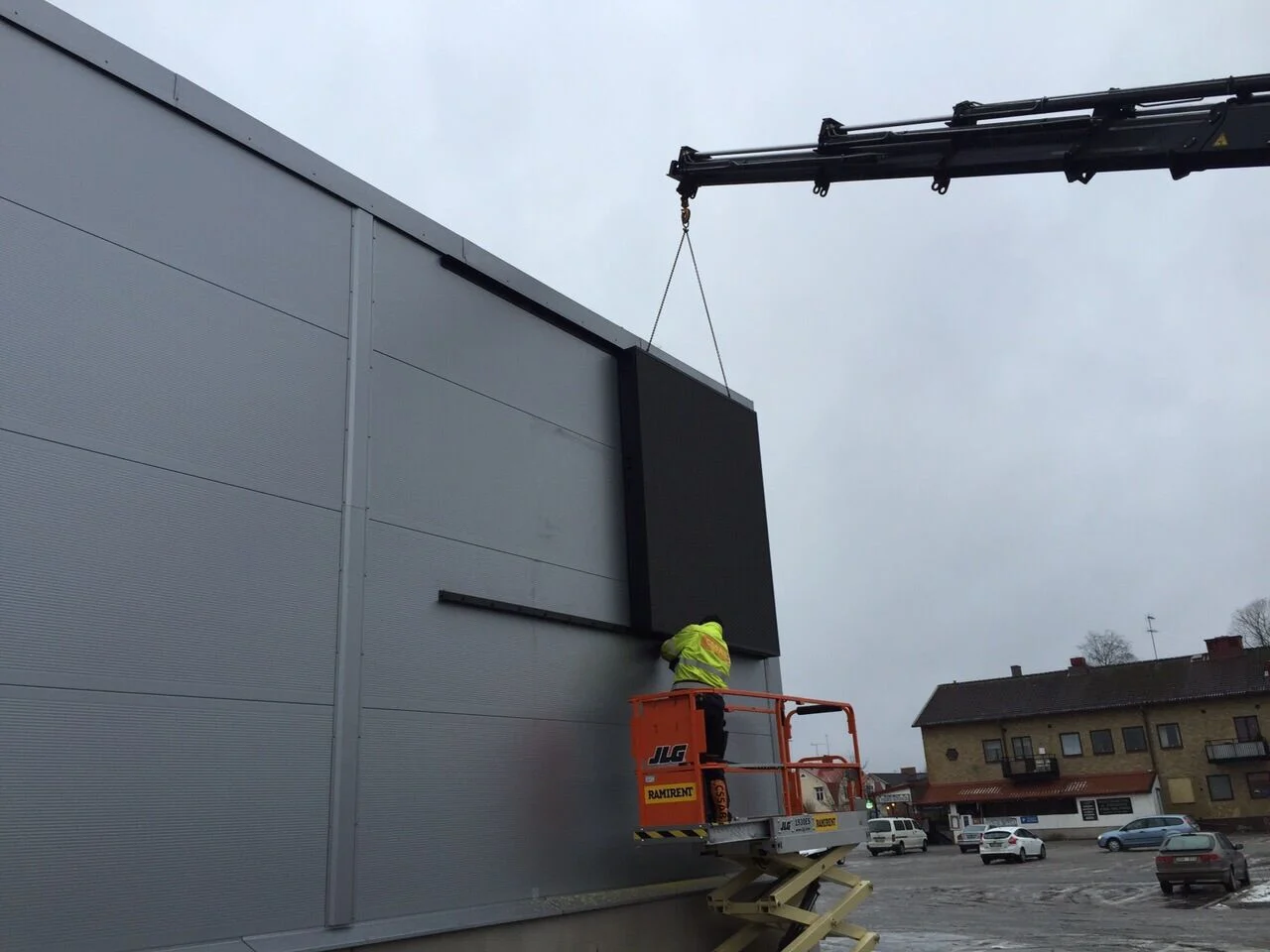
Die-cast aluminum can be made lightweight while ensuring structural rigidity, with weight greatly reduced versus traditional iron cabinets, making transport and handling more convenient, with lower load-bearing requirements for the installation steel structure, and column, rooftop, and wall scenarios can all reduce steel frame material pressure. The SW1000 lightweight aluminum cabinet relies on die-cast aluminum to achieve a slim, light body, convenient for on-site construction.
Fitting Diverse Maintenance and Creative Splicing
One-piece die-casting conveniently reserves standardized interfaces and structural positions, and the SW960 and SW1000 rely on die-cast aluminum cabinets to achieve front and rear dual maintenance, with wall, column, and rooftop conditions able to flexibly choose maintenance mode; the standardized die-cast structure can fit dedicated corner modules, easily achieving 90° seamless right-angle splicing to create naked-eye 3D creative facade effects.
Obvious Shortcomings of Traditional Iron Cabinets
Early displays commonly used iron sheet-metal cabinets, but iron cabinets have hard-to-avoid shortcomings outdoors: excessive self-weight increases steel structure load; they easily corrode and rust from rain and moisture; weak heat conduction causes heat accumulation to accelerate device aging; cabinets easily deform under long sun exposure and alternating hot and cold, indirectly triggering various display failures.
Viewing Die-Cast Aluminum Cabinets from Full-Cycle Cost
Looking at purchase unit price alone, die-cast aluminum cabinets have higher initial cost than iron cabinets; but extending the timeline to calculate full-life-cycle cost, die-cast aluminum cabinets do not easily rust or deform, have longer whole-machine life and lower failure probability, with later repair and replacement frequency dropping; light weight lowers steel structure purchase and construction costs; excellent heat dissipation paired with common-cathode drive further reduces power consumption and long-term electricity bills, and combining early construction, later maintenance, and energy expenses, the overall full-cycle cost is more advantageous.
Cabinet material choice should ultimately return to the comprehensive consideration of heat dissipation, protection, and full-cycle cost. Rigard SW960, SW1000, and SWHD take die-cast aluminum cabinets as the base, unifying reliability and economy in the same hardware, providing solid support for long-term outdoor operation.
SW960 Series
Outdoor Advertising LED Display
- IP66 Waterproof
- Common Cathode
- Energy Saving
- Fanless Cooling
- Front & Rear Maintenance
- High Brightness
SW1000 Series
Outdoor Advertising LED Screen
- IP68 Protection
- 3D Corner Display
- Cable‑Free Design
- Fanless Cooling
- Front & Rear Maintenance
- Outdoor Advertising
SWHD Series
Outdoor Fine Pitch LED Display
- MIP Technology
- Fine Pixel Pitch
- Common Cathode
- Energy Efficient
- IP65 Protection
- Front Maintenance