Outdoor LED Displays: Front & Rear Dual Maintenance, Fitting Diverse Installation Scenarios
Edit By: RIGARD
Date: Aug 31, 2026
In the process of landing an outdoor LED advertising project, the maintenance method is the key element determining solution feasibility and later operations cost. Different installation environments have completely different objective requirements for servicing operating space, front maintenance and rear maintenance correspond to different project conditions, and the integrated front-and-rear dual maintenance design can resolve the solution risk brought by uncertain space early in the project.
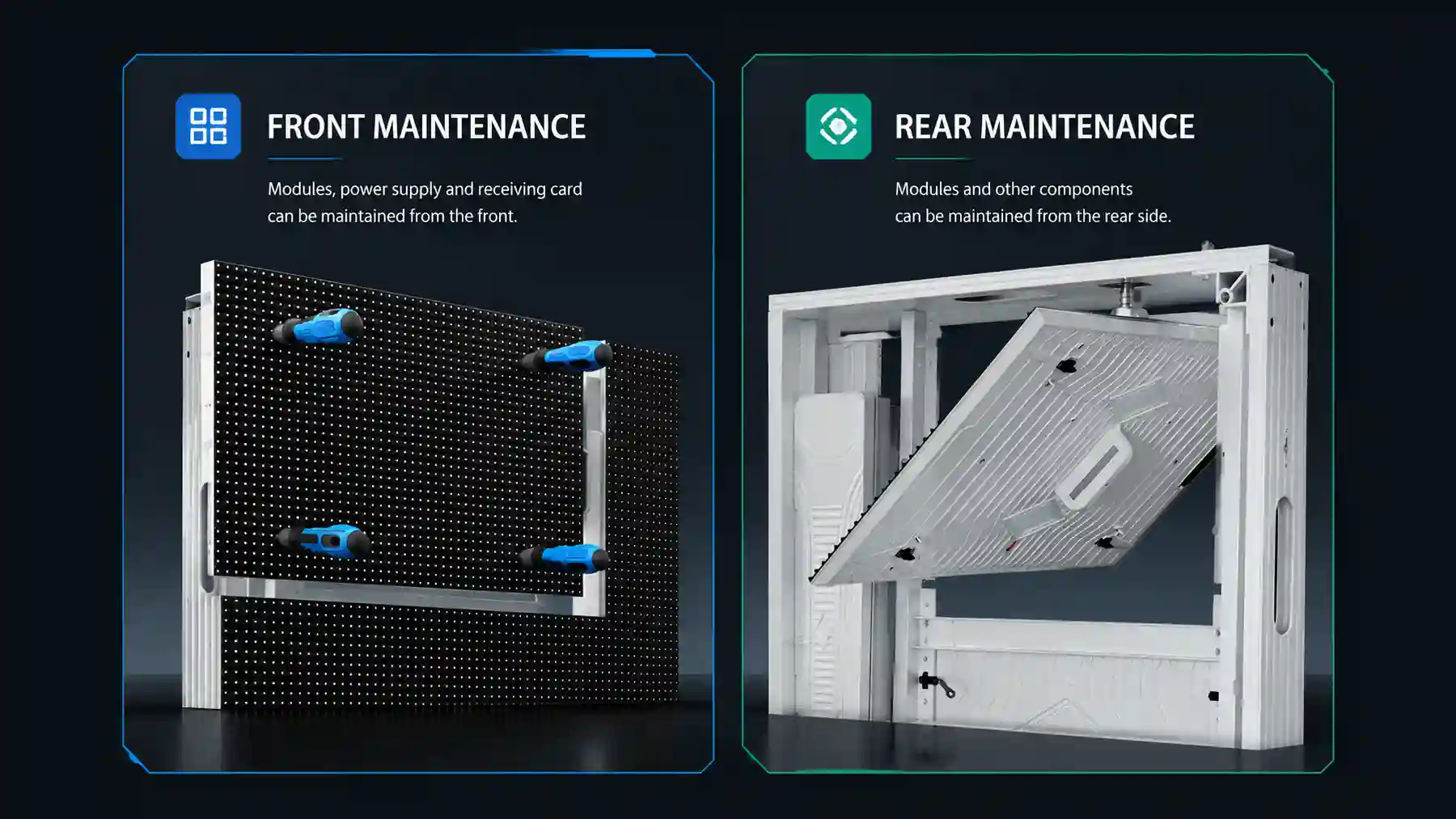
Front Maintenance Mode: Fitting Scenarios with No Rear Servicing Space
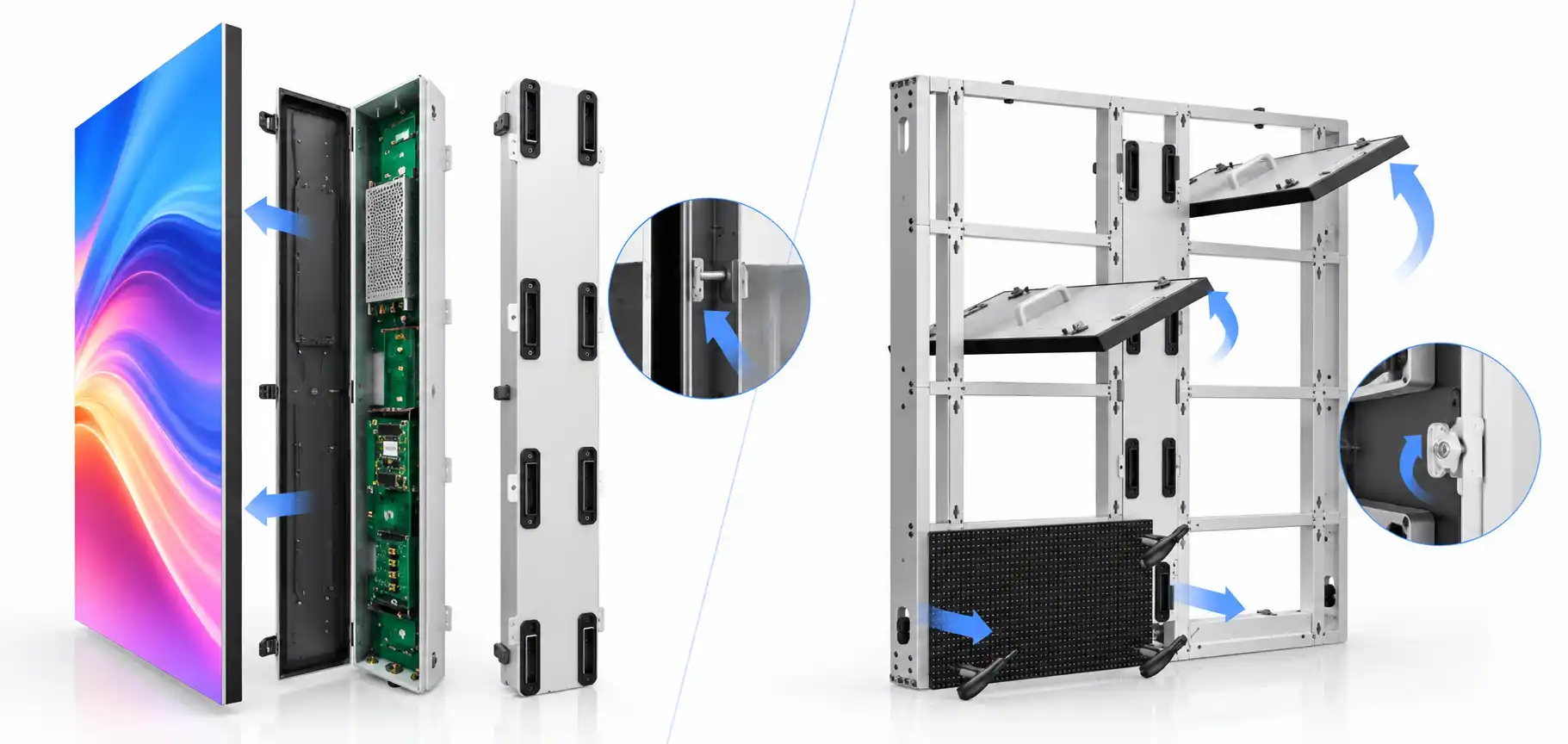
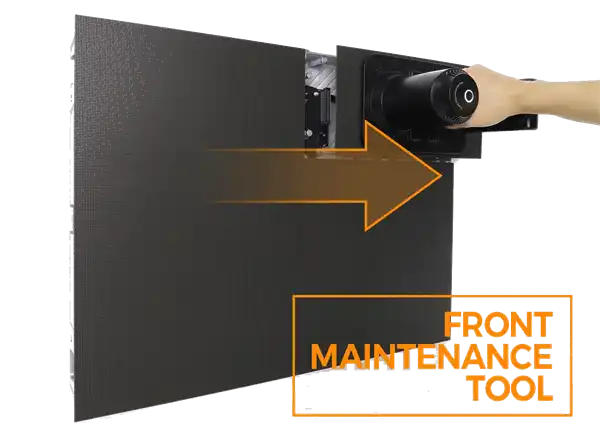
When the display is tightly mounted against a building facade or curtain wall with no operating aisle reserved at the back at all, front maintenance is the preferred solution. With front maintenance design, modules, power supplies, and receiving cards can all be removed and serviced from the front of the screen, with no need to reserve personnel passage space behind the screen, fully fitting wall-mounted installation projects such as building curtain walls and mall facades, freeing building exterior design freedom, and also fitting display projects deeply integrated with the building structure such as corner and naked-eye 3D creative screens.
Rear Maintenance Mode: Fitting Projects with a Reserved Rear Aisle
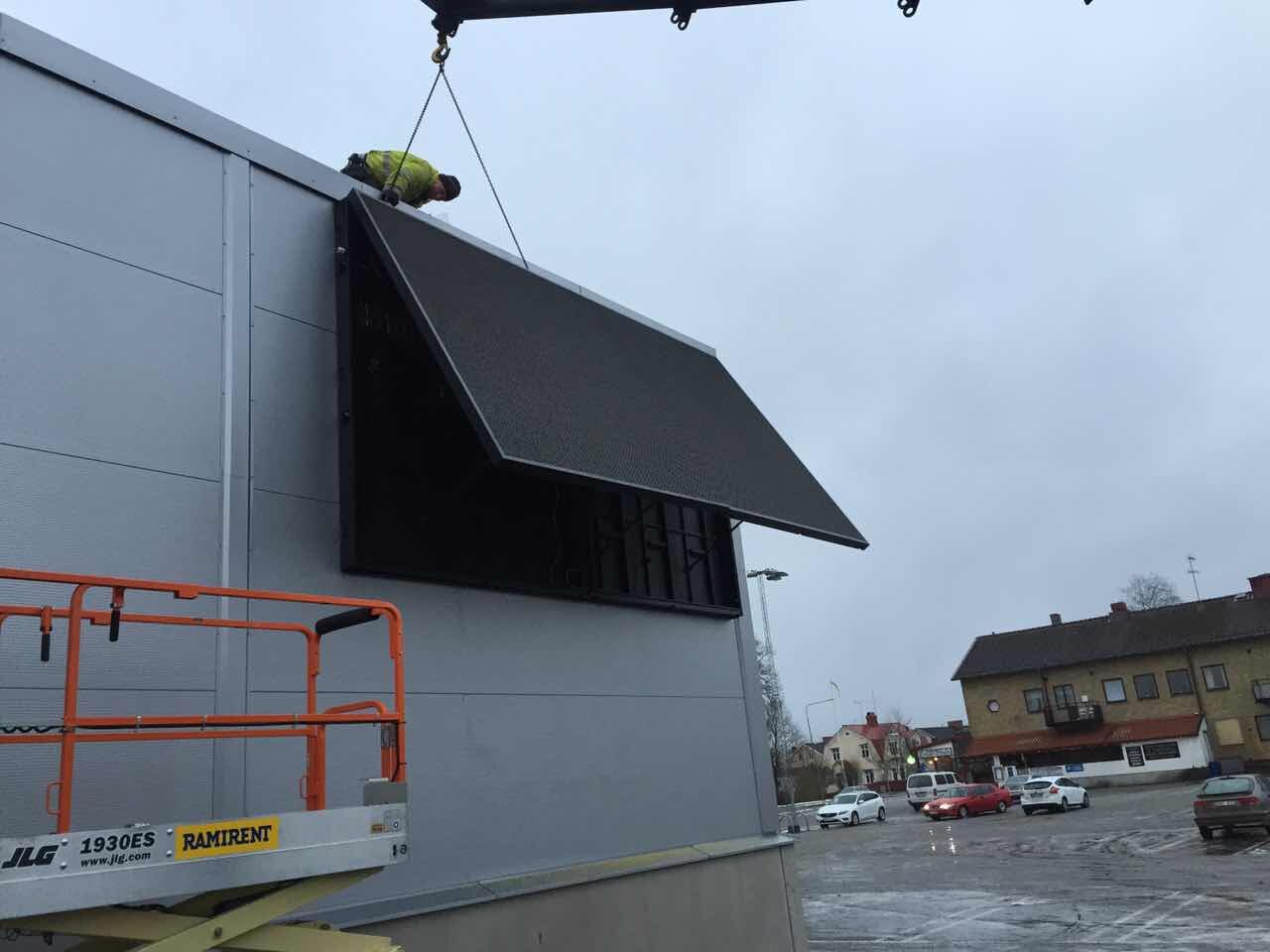
Projects such as column billboards and rooftop large screens usually reserve adequate servicing aisles behind the screen, and then rear maintenance mode can be used. Workers can reach the back of the screen to service various devices inside the cabinets, with intuitive operation, suited to outdoor advertising screens with rear operating conditions such as independent columns and rooftop billboards.
Front & Rear Dual Maintenance: Resolving Solution Change Risk
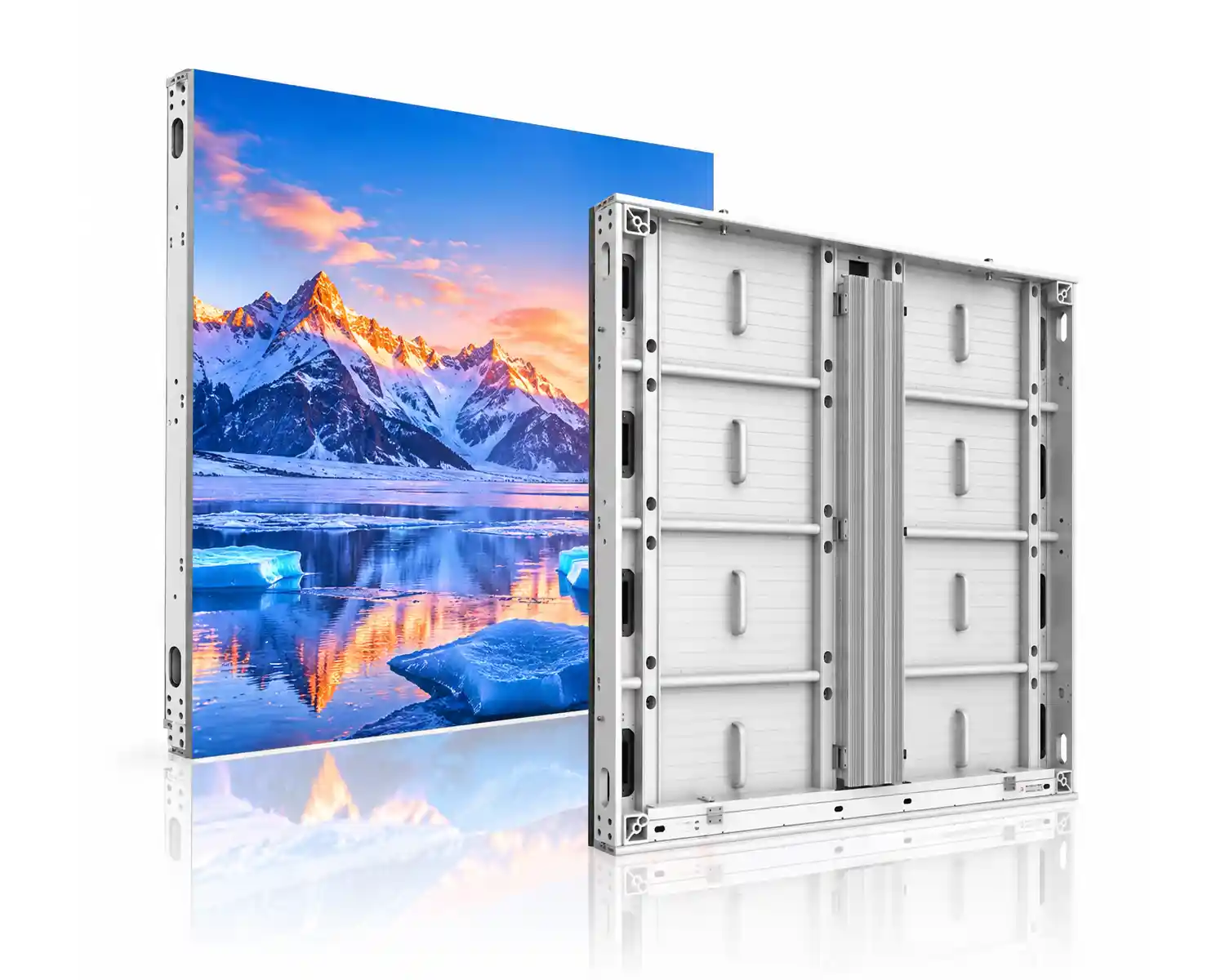
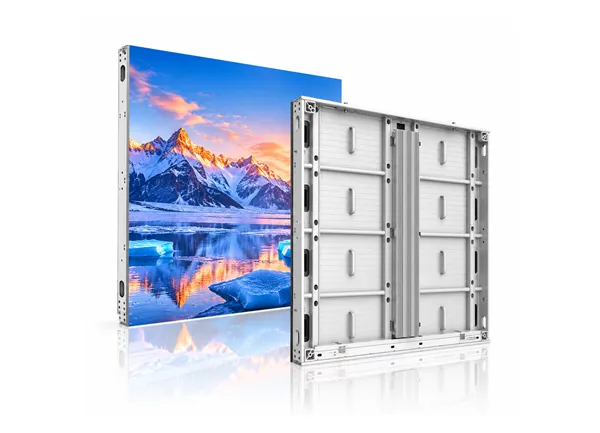
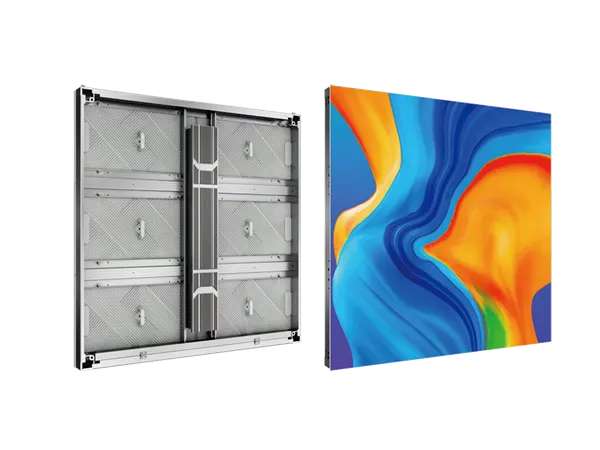
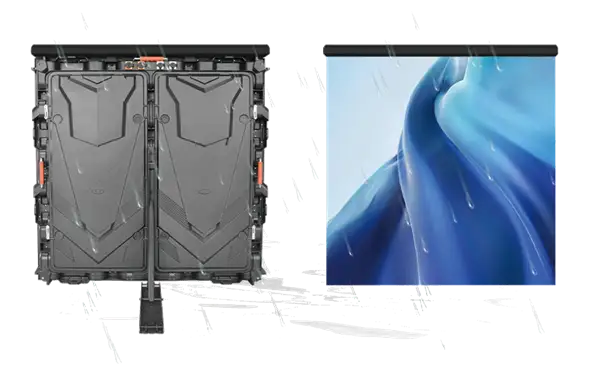
Many projects can hardly fully lock the final installation conditions in the solution planning stage: it cannot be 100% confirmed early whether a rear servicing aisle can be opened on site, and once the site conditions change later, a single-maintenance screen faces the problems of a discarded solution and rising renovation costs. The SW1000 and SW960 both carry the front and rear dual maintenance hardware architecture, with the same cabinet hardware compatible with both front and rear maintenance modes, no need to hard-lock the maintenance method early in the project, and even if installation conditions adjust later there is no need to replace screen hardware, effectively lowering the project risk brought by solution changes.
Maintenance-method compatibility is essentially reserving room for project uncertainty. The Rigard SW1000 and SW960 cover diverse scenarios such as wall, column, and rooftop with one set of hardware, giving both solution design and on-site construction higher flexibility.
SW1000 Series
Outdoor Advertising LED Screen
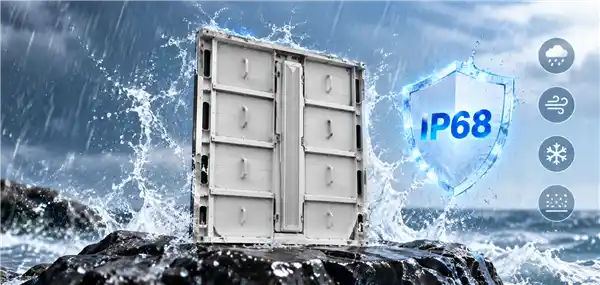
- IP68 Protection
- 3D Corner Display
- Cable‑Free Design
- Fanless Cooling
- Front & Rear Maintenance
- Outdoor Advertising
SW960 Series
Outdoor Advertising LED Display
- IP66 Waterproof
- Common Cathode
- Energy Saving
- Fanless Cooling
- Front & Rear Maintenance
- High Brightness